By Emily Parker
Updated November 2026
A Sur La Table cookware set can be a sound investment, but only if the pieces match how you actually cook. This guide walks you through the factors that matter most, from base material and pan construction to the specific pieces worth having, so you can judge any sur la table cookware set on its merits rather than its display.
Step 1: Decide Which Pans You Will Actually Use
Start with your cooking habits. Count how often you sear, sauté, simmer sauces, boil pasta, or braise. Many sets include a dozen or more pieces, and a large share of them often sit unused.
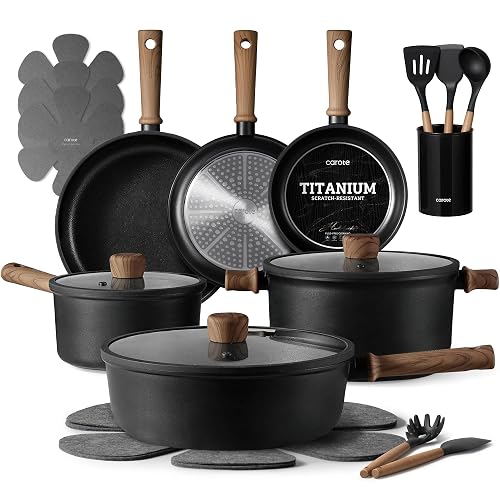
Shopping for one? See our guide: Plateful Titanium Cookware Set Review: Features and Performance.
Most home cooks rely on three or four core pieces:
- A 10- or 12-inch skillet for searing and sautéing
- A 2- to 3-quart saucepan with a lid for sauces and grains
- A 4- to 6-quart sauté pan or Dutch oven for braises and soups
- A stockpot for pasta and large batches
If a set includes all four, it covers the essentials. If it leans heavily on specialty pieces, consider buying open stock instead.
Step 2: Compare Base Materials and Construction
The material determines how heat moves through the pan, how easy it is to clean, and how it responds to acidic food. Check what the manufacturer specifies for each piece, since a set may mix materials.
| Material | Strengths | Watch for |
|---|---|---|
| Tri-ply stainless steel | Even heating, durable, dishwasher-safe in many cases | Food can stick without proper preheating |
| Hard-anodized aluminum | Lightweight, responsive to temperature changes | Nonstick coatings wear over time |
| Nonstick coated | Good for eggs and delicate fish | Avoid high heat; replace when coating scratches |
For a deeper look at how multi-layer construction differs from single-layer options, see Tri Ply Stainless Cookware Set: How to Choose One That Lasts. If you are comparing a range of brands, What Is the Best Kitchen Cookware Set? A Chef's Buying Guide offers useful context.
Step 3: Check Handles, Lids, and Oven Safety
Pick up each piece if you can. Handles should feel balanced when the pan is full, not just when it is empty. Lids should fit snugly, and glass lids should be rated for the heat you plan to use.
Check the oven-safe temperature for each piece as the manufacturer specifies it. Some nonstick pans have lower limits than stainless or cast iron, which matters if you want to finish dishes under the broiler.
Step 4: Plan Your Care Routine Before You Buy
Every cookware type has a maintenance pattern. Stainless needs a preheat and a little oil to prevent sticking. Nonstick needs gentle utensils and hand washing. Hard-anodized surfaces need avoidance of metal scrapers.
- Let pans cool before rinsing to avoid warping.
- Soak stubborn residue in warm water for 10 to 15 minutes before scrubbing.
- Dry thoroughly before stacking to protect nonstick surfaces.
- Store lids separately or with a paper towel between pans.
Common Mistakes to Avoid
- Buying the largest set available instead of the pieces you use
- Overheating nonstick pans, which shortens the coating’s life
- Ignoring oven-safe limits on handles and lids
- Skipping preheating when cooking with stainless steel
- Assuming dishwasher-safe means the finish will last indefinitely
Recommended Gear
A few supporting tools make a new set easier to maintain and use well.
- Silicone-tipped tongs and turners protect nonstick and anodized surfaces from scratches. View on Amazon
- A Bar Keepers Friend cleanser removes discoloration on stainless steel without harsh scouring. View on Amazon
- A pan lid organizer rack keeps lids from scratching cookware in storage. View on Amazon
FAQ
Is a Sur La Table cookware set worth buying as a complete set?
It can be, if the set includes the core pans you use regularly. If many pieces would sit unused, buying individual pans may give you better value.
How do I know if a set is oven-safe?
Check the temperature rating the manufacturer specifies for each piece, including handles and lids. Do not assume that all components share the same limit.
How long should cookware last?
Lifespan depends on the material and care. Stainless and cast-style pans can last many years with proper use, while nonstick coatings typically need replacing sooner, once they start to scratch or flake.
Conclusion
A good sur la table cookware set starts with the pans you cook with most. Match the material to your habits, check the handles, lids, and oven limits, and commit to a simple care routine. Done that way, the set will serve you well for years.
Related reading
Ready to choose one?
About Emily Parker
Emily Parker is part of our editorial team and reviews and edits our cookware & knives guides, checking product details against manufacturer specifications and owner feedback.