
Menu

We research products independently. Some links on The Cook's Kitchen are affiliate links. If you buy through them, we may earn a commission at no extra cost to you. As an Amazon Associate I earn from qualifying purchases. Learn more ›

Temperature Fundamentals

Cooking heat levels, pan preheating, oven temperature and internal food temperatures.

Temperature Fundamentals is the place to start if you want more consistent results from every pan, pot, and oven you own. Cooking temperature is really three related questions: how accurately your equipment reports heat, how heat moves through food, and how to match the heat level to what you are cooking. Each article here tackles one piece of that puzzle. If you are new to the topic, begin with Cooking Heat Levels Explained, which gives you a shared vocabulary for low, medium, and high heat and how they behave in different cookware. From there, read Cooking Temperature Control Guide to learn how to adjust heat during a cook rather than setting it once and hoping for the best. Next, look at Best Oven Thermometers, since an oven's dial is often off by a noticeable margin and an independent reading makes every other adjustment more reliable. Finally, read How Resting Meat Affects Final Internal Temperature to understand why meat keeps cooking after it leaves the heat and how to plan around that. Reading in this order moves from principles to tools to a specific application.

Start here

Guides & tips

Frequently asked questions

Which article should I read first?

Start with Cooking Heat Levels Explained, since it establishes the basic heat terms the other articles rely on. Then move to the control guide and thermometer article.

Why does my oven temperature seem off?

Ovens commonly run hotter or cooler than their dial indicates, and they cycle around the setpoint. An independent oven thermometer helps you see the actual temperature and compensate for it.

Does meat really keep cooking after I take it off the heat?

Yes, the internal temperature often continues to rise for a while after removal because heat from the outer layers keeps moving inward. Planning for this carryover helps you avoid overcooking.

4 articles
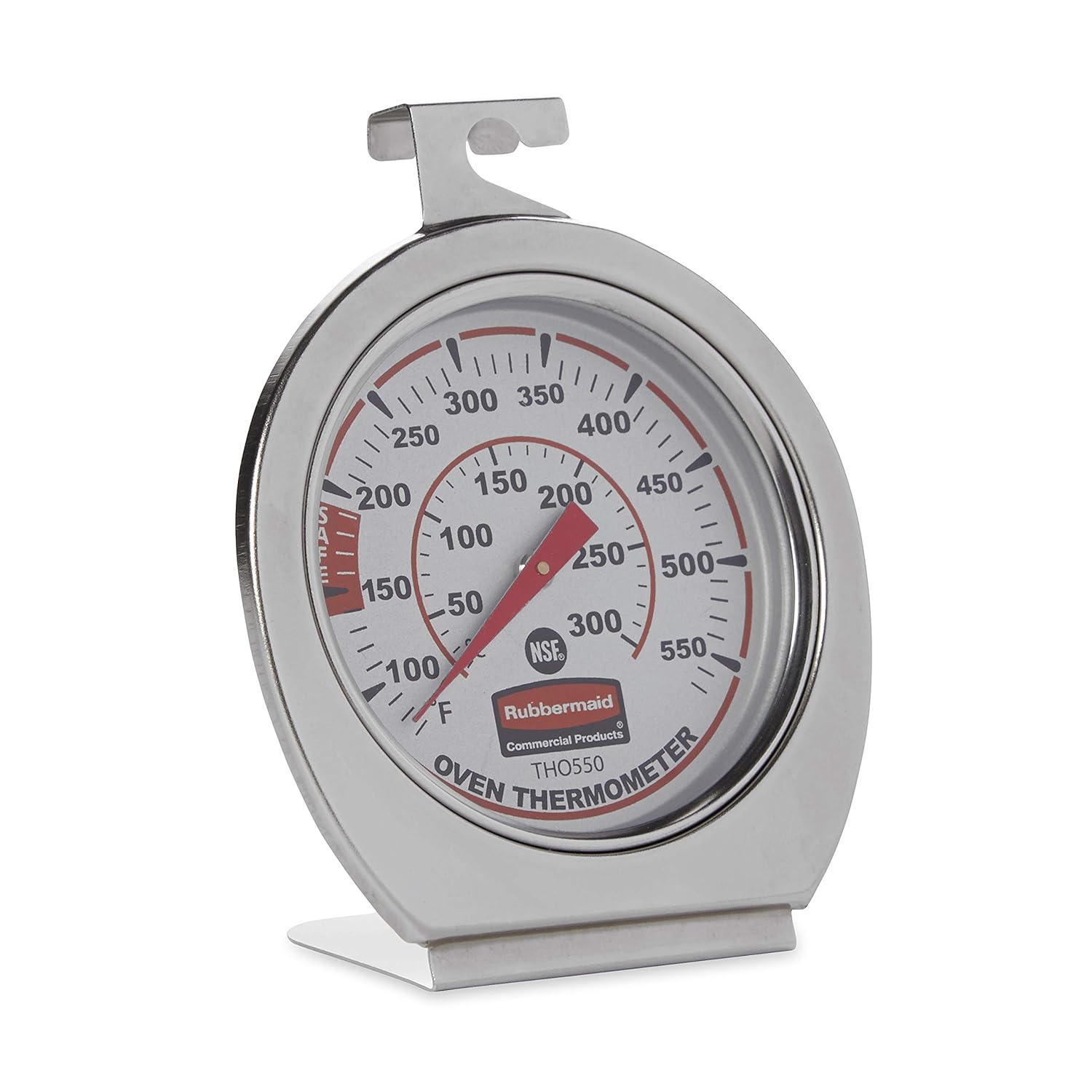
Best Oven Thermometers

Best Oven Thermometers

We compared specs for analog oven thermometers to find the best oven thermometer for reliable temperature monitoring, from professional-grade picks to convenient two-packs.

The Cook's Kitchen Editors Oct 25, 2026
Cooking Temperature Control Guide

Cooking Temperature Control Guide

Mastering cooking temperature control is essential for safety, texture, and flavor. This guide covers heat levels, preheating, oven accuracy, and safe internal temperatures.

The Cook's Kitchen Editors Oct 24, 2026
Cooking Heat Levels Explained

Cooking Heat Levels Explained

Understanding stove temperature settings is fundamental to cooking. We explain what low, medium, and high heat levels mean and how to identify and use them.

The Cook's Kitchen Editors Oct 24, 2026

Temperature is the invisible hand that guides every cooking process, from searing a steak to baking a cake. Mastering its fundamentals means moving beyond guesswork to achieve consistent, predictable results. This section is for cooks who want to understand the why behind the dials and numbers, transforming heat from a mystery into a precise tool.

We break down the core concepts of thermal management in the kitchen, explaining how different levels of heat affect food, why proper preheating matters, and how to interpret and trust your oven's settings. You'll also learn the critical importance of internal food temperatures for safety and quality. By grasping these principles, you can troubleshoot common problems, adapt recipes with confidence, and develop a more intuitive feel for the entire cooking process.

What you'll find here

  • Explanations of cooking heat levels (low, medium, high) and their culinary uses.
  • The science and technique behind proper pan preheating for better searing and sticking prevention.
  • How to understand and manage your oven's temperature for even baking and roasting.
  • Guidance on safe internal food temperatures and how to measure them accurately.
  • Practical advice on applying these fundamentals for better temperature control in everyday cooking.
  • Foundational knowledge that supports all other topics in our Cooking Temperature section.