


Menu

We research products independently. Some links on The Cook's Kitchen are affiliate links. If you buy through them, we may earn a commission at no extra cost to you. As an Amazon Associate I earn from qualifying purchases. Learn more ›

Knife Buying Guides

Chef’s knife, knife sharpening tool and cutting board buying guides.

Knife buying can feel overwhelming, but a few practical questions make the decision much simpler. Start by thinking about what you cook most often. A chef's knife is the versatile workhorse for chopping, slicing, and dicing most vegetables, herbs, and proteins, so it's usually the best first purchase. If you regularly cut crusty loaves or delicate tomatoes, a serrated bread knife earns its place on the counter. Consider the feel of the handle and balance in your hand, since comfort matters more over years of daily use than any single specification. Blade steel affects how a knife holds an edge and how easily it sharpens, so think about how much maintenance you're willing to do. Finally, keeping a knife sharp is just as important as buying a good one, which is why sharpening tools deserve attention too. A sharp, well-chosen knife is safer and more pleasant to use than an expensive one that has gone dull. For a good starting path, read the Chef's Knife Buying Guide first to understand the fundamentals of blade shape, size, and construction. Next, look at the Bread Knives roundup if you bake or buy artisan bread, and then the sharpening guide to plan how you'll maintain whatever you choose.

Start here

Guides & tips

Frequently asked questions

Which knife should I buy first?

A chef's knife is the most versatile starting point because it handles the majority of everyday prep tasks. Choose one that feels comfortable and balanced in your hand.

Do I really need a separate bread knife?

A serrated bread knife is worth having if you often cut crusty bread, since its teeth slice through hard crusts without crushing soft interiors. If you rarely cut bread, a chef's knife can usually manage.

How often should I sharpen my knives?

It depends on how often you use them and what you cut, but many home cooks benefit from light honing regularly and sharpening periodically. A dull knife requires more force and is more likely to slip, so keeping an edge is a safety habit as well as a convenience.

4 articles
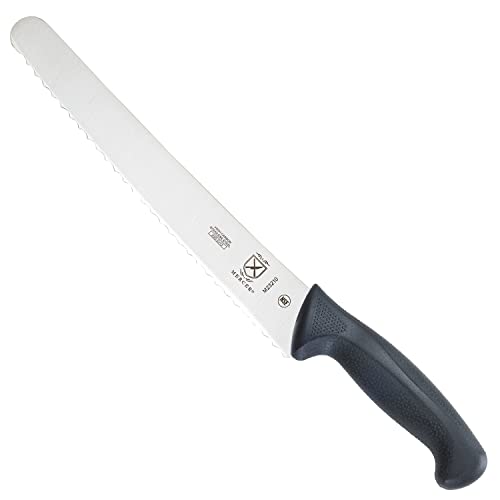
17 Best Bread Knives

17 Best Bread Knives

Based on a comparison of manufacturer listings, we've selected 17 of the best bread knives for different needs, from crusty sourdough to everyday slicing.

The Cook's Kitchen Editors Oct 30, 2026
Chef’s Knife Buying Guide

Chef’s Knife Buying Guide

Choosing the right chef's knife involves understanding blade steel, length, and handle design. This guide explains the key features to look for based on your cooking style and maintenance preferences.

The Cook's Kitchen Editors Oct 24, 2026

Choosing the right knife and its essential companions—a sharpening tool and a cutting board—is one of the most impactful decisions you can make in your kitchen. A good knife feels like an extension of your hand, while proper sharpening and a suitable board protect your investment and make every task safer and more efficient. This section of our Equipment Buying Guides is dedicated to helping you understand these core tools, not by recommending specific brands, but by explaining the principles behind their performance, materials, and care.

Whether you're selecting your first chef's knife, trying to decipher the world of whetstones and pull-through sharpeners, or deciding between wood, plastic, or composite for your cutting surface, our guides break down the options. We focus on the 'why'—why a certain steel holds an edge, why a particular board is gentler on your blade, and how different sharpening methods work—so you can make informed choices that fit your cooking style and maintenance routine.

What you'll find here

  • Core Knife Guidance: A deep dive into the most important kitchen knife, with our Chef's Knife Buying Guide covering blade shapes, steel types, handle materials, and balance.
  • Edge Maintenance: A comprehensive look at knife sharpening tools, from manual whetstones to electric systems, explaining how they work and what skill level each requires.
  • Surface Fundamentals: A guide to cutting board materials, comparing their effects on knife edges, hygiene, durability, and maintenance needs.
  • Practical Skills: Foundational knowledge on grip, cutting technique, and safe handling to get the most from your tools.
  • Care & Longevity: Essential advice on cleaning, storage, and regular maintenance to keep your knives and boards performing for years.