

Menu

We research products independently. Some links on The Cook's Kitchen are affiliate links. If you buy through them, we may earn a commission at no extra cost to you. As an Amazon Associate I earn from qualifying purchases. Learn more ›

Knife Types

Chef’s knives, santoku knives, paring knives, bread knives and utility knives.

The Knife Types category is a good starting point if you're building a kitchen knife collection or trying to understand what each blade is actually for. Knives are often bought by reputation or appearance, but the right choice depends mostly on the tasks you do most often. A chef's knife is the all-purpose workhorse for chopping, slicing, and dicing, while a santoku offers a similar job with a flatter edge and a shorter, more nimble profile. A paring knife handles small, detailed work like peeling and trimming, and a utility knife fills the gap between the two. Serrated knives are specialized tools, best suited to bread and other foods with tough exteriors and soft interiors. If you're new to knives, begin with Kitchen Knife Fundamentals: Knife Types Explained, which lays out the main categories and how they differ. From there, the articles on chef's knives and santoku versus chef's knife will help you choose your core blade. Then read the guides on utility, paring, and serrated knives to round out your setup. Reading in this order lets you build a sensible kit around how you actually cook.

Start here

Comparisons

Guides & tips

Frequently asked questions

Which knife should I buy first?

A chef's knife is usually the most versatile first purchase because it handles most everyday cutting tasks. Add smaller specialty knives once you know which jobs you do most often.

What's the main difference between a santoku and a chef's knife?

Santoku knives typically have a flatter blade with a less pronounced curve, which suits straight up-and-down chopping. Chef's knives have a more curved edge that supports rocking motions.

Do I really need a serrated knife?

A serrated knife is most useful for bread, tomatoes, and other foods with a firm skin and softer interior. It is not necessary for general cutting, but it does a few jobs better than a straight edge.

7 articles
How to Choose a Kitchen Utility Knife

How to Choose a Kitchen Utility Knife

A utility knife bridges the gap between a chef's knife and a paring knife. This guide helps you choose the right one based on blade shape, length, and handle design.

The Cook's Kitchen Editors Oct 26, 2026
How to Slice Bread Properly with a Serrated Knife

How to Slice Bread Properly with a Serrated Knife

Slicing bread cleanly is a matter of using the right sawing technique with a serrated knife, adjusting your approach for different crusts and crumb structures.

The Cook's Kitchen Editors Oct 26, 2026
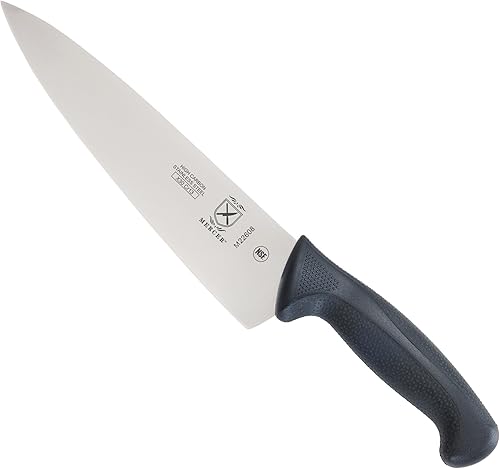
Best Chef’s Knives

Best Chef’s Knives

We compared manufacturer specs to find the best chef knife for various home cooks. Our picks include a top overall value, a dishwasher-safe option, and a premium Japanese steel knife.

The Cook's Kitchen Editors Oct 25, 2026
Santoku vs Chef’s Knife

Santoku vs Chef’s Knife

The santoku vs chef knife debate centers on two distinct design philosophies: one for straight chopping, the other for curved rocking.

The Cook's Kitchen Editors Oct 24, 2026
Kitchen Knife Fundamentals: Knife Types Explained

Kitchen Knife Fundamentals: Knife Types Explained

Understanding kitchen knife types is the first step to mastering food preparation. This guide explains what each knife is designed to do and how to build a core collection.

The Cook's Kitchen Editors Oct 24, 2026

Choosing the right knife for the task is a fundamental cooking skill. While a single kitchen knife can handle many jobs, a small collection of specialized blade types makes prep work faster, safer, and more enjoyable. This section breaks down the essential categories of knives you'll find in a well-equipped kitchen, explaining the unique design and purpose of each.

We'll explore the anatomy of a knife and how features like blade shape, length, and edge geometry determine what a knife does best. Whether you're building your first knife set or looking to understand the specialized tools you already own, this guide will help you match the blade to the job.

What you'll find here

  • Detailed profiles of core knife types, from the versatile chef's knife to the precise paring knife.
  • Clear explanations of how blade design influences cutting technique and food release.
  • Guidance on selecting the right knife length and handle style for your hand and tasks.
  • A comparison of Western and Japanese blade styles, such as in our Santoku vs Chef's Knife article.
  • Practical advice on which knives are essential for a starter kit and which are nice to have as you expand your skills.