By Emily Parker
Updated November 2026
A good best cookware starter set gives you the pans you will reach for every day, without filling your cabinets with pieces you never use. This guide shows you which core pieces to prioritize, how to judge materials and construction, and what to check before you buy. By the end, you will know how to pick a set that covers real cooking tasks.
Start With the Pieces You Will Use Daily
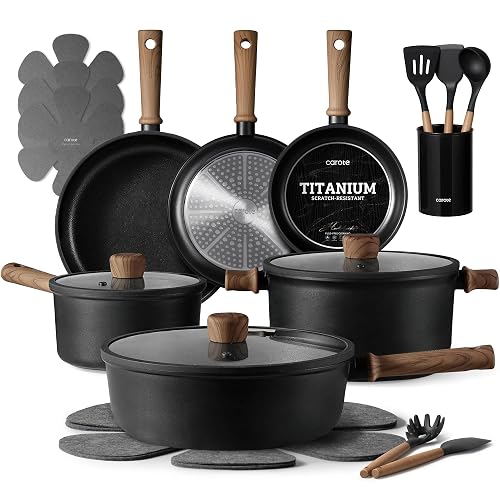
Most home cooks rely on three to four pans for nearly everything. A starter set should cover those basics first, then add extras only if your cooking calls for them. Look for these core pieces:
Shopping for one? See our guide: 5 Best Copper Cookware Pan Sets of 2026: Buyer's Guide.
- A 10-inch or 12-inch skillet for searing, sautéing and frying eggs.
- A 2- to 3-quart saucepan with a lid for sauces, grains and reheating.
- A 3- to 4-quart saucepot or sauté pan for pasta, soups and braises.
- A stockpot of 6 to 8 quarts for boiling large volumes of water or making stock.
Oven-safe handles and tight-fitting lids matter more than extra small pans. Check that lids are included for the pieces you will actually cover during cooking.
Choose the Right Material for Your Cooking Style
Material affects heat distribution, durability and how much care the pans need. Each option suits different habits:
| Material | Strengths | Watch for |
|---|---|---|
| Tri-ply stainless steel | Even heating, dishwasher-safe, good for searing | Food can stick until the pan is properly preheated |
| Hard-anodized aluminum | Lightweight, even heat, usually nonstick | Nonstick coatings wear over time and need gentle utensils |
| Ceramic nonstick | Easy cleanup, low-fat cooking | Lower heat tolerance; avoid high-heat searing |
| Cast iron (single pieces) | Excellent heat retention, oven-to-table use | Heavy, needs seasoning and dry storage |
Many beginners find that a mix works best: one nonstick skillet for eggs and delicate fish, plus stainless steel for everything else. If you are unsure which construction suits you, our guide to What Is the Best Kitchen Cookware Set? A Chef's Buying Guide walks through the tradeoffs in more detail.
Check Construction and Handles Before You Buy
Look at the base first. A thick, flat base that sits fully on the burner heats more evenly and resists warping. Cheap, thin bases create hot spots that scorch sauces in one corner of the pan.
Next, check the handles. They should feel secure when you lift a full pan, and they should stay cool enough to hold on the stovetop. Riveted handles tend to last longer than welded ones, according to many owner reports, though both can perform well with proper use.
Finally, confirm that the set is oven-safe to the temperature you plan to use. Manufacturers specify maximum oven temperatures for each material and handle type, so read the packaging or product page before you buy.
Common Mistakes Beginners Make
- Buying a 20-piece set with many pieces you will never use. Five to eight pieces usually cover daily cooking.
- Overheating nonstick pans. Medium heat is enough for most nonstick cooking, and high heat shortens coating life.
- Using metal utensils on nonstick or ceramic surfaces. Silicone, nylon or wood tools protect the finish.
- Ignoring lid fit. A lid that does not seal well slows cooking and wastes energy.
- Skipping preheating. Stainless steel in particular needs a minute or two over medium heat before adding oil and food.
If you want to compare complete sets with similar piece counts, the roundup Cuisinart Chef's Classic Cookware Set: 7 Best Options Compared (2026) shows how different brands group their pieces.
Recommended gear
A few small tools make a starter set last longer and perform better:
- Silicone-tipped cooking utensils protect nonstick and ceramic coatings from scratches. View on Amazon
- A stainless steel or nylon pan protector set keeps pans from scratching each other when stacked. View on Amazon
- A cookware-safe cleaning brush lets you clean stuck-on residue without harsh scrubbing. View on Amazon
FAQ
How many pieces should a starter set include?
Five to eight pieces is enough for most beginners. Focus on a skillet, a saucepan with lid, a larger sauté pan or saucepot, and a stockpot.
Is nonstick or stainless steel better for beginners?
Nonstick is easier for eggs and delicate foods, while stainless steel handles searing and oven use better. Many cooks start with one of each.
How do I know if a set is good quality?
Look for a thick, flat base, secure handles, and lids that fit snugly. Confirm the oven-safe temperature and check whether the manufacturer specifies warranty coverage.
Conclusion
A strong best cookware starter set covers the pans you cook with every day, in materials that suit your habits. Focus on the skillet, saucepan, sauté pan and stockpot first, and check the base, handles and lids before buying. Add specialty pieces only after you know what your cooking needs.
Related reading
- Wolfgang Puck Cookware Set: 7 Best Options Compared (2026)
- Triply Stainless Steel Cookware Set: 6 Best Picks Compared (2026)
Ready to choose one?
About Emily Parker
Emily Parker is part of our editorial team and reviews and edits our cookware & knives guides, checking product details against manufacturer specifications and owner feedback.