By Garrett Langley
A vintage enamel cookware set can be a strong addition to a home kitchen, but only if you know what to look for. This guide walks you through how enamel-coated steel and cast iron work, how to inspect a vintage enamel cookware set before you bring it home, how to judge whether a set is safe for cooking, and how to clean and store it so the coating holds up. By the end, you will know how to tell a sound find from a set that will disappoint.
What Vintage Enamel Cookware Is and How It Works
Enamel cookware is metal, usually cast iron or steel, coated with a layer of powdered glass that is fused to the base at high temperature. The glass gives the surface a smooth, non-reactive finish that resists acidic foods like tomato sauce and wine better than bare iron does. Most enamel pieces sold in the mid-twentieth century were made of cast iron, which holds heat well, or of pressed steel, which is lighter and heats faster.
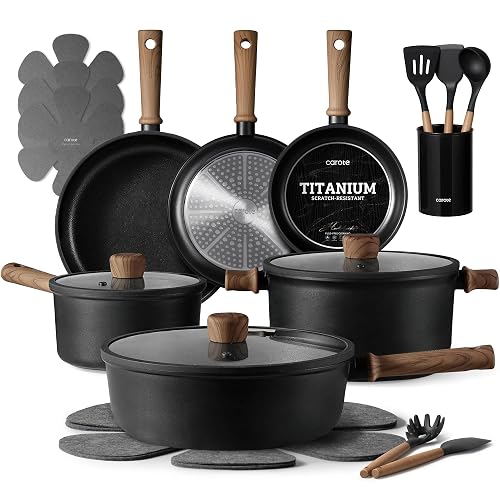
Shopping for one? See our guide: Plateful Titanium Cookware Set Review: Features and Performance.
The enamel itself is the part that needs the most attention. It is hard and can handle normal stovetop and oven heat, but it is brittle. A sharp impact, a sudden temperature shock, or a metal utensil dragged across a chip can crack it. Once the glass is chipped through to bare metal, the piece can rust, and the coating will not usually re-fuse at home.
Cast iron versus steel bodies
Cast iron enamel pieces are heavy and retain heat well, which suits braising, stews and slow simmering. Steel enamel pieces are lighter and respond faster to changes in burner setting, which makes them handy for boiling water or cooking soups. Check the weight in your hand before buying. A set that feels unusually light for its size may be thin steel, which is not wrong but behaves differently.
How to Evaluate a Vintage Enamel Cookware Set Before You Buy
Buying secondhand means inspecting each piece yourself. Sellers often describe a set as “in good condition” without showing the details that matter, so take your time and look at every surface, including the underside and the inside of the lid.
Step 1: Check the interior enamel for chips and crazing
Run your fingertip around the cooking surface, especially along the bottom edge, the corners and the rim where the lid sits. Chips often start at these points. Crazing, which looks like a fine web of hairline cracks, is also common in older pieces. Light crazing that does not catch on a fingernail is usually cosmetic, but any cracking that lets food or water seep under the coating is a reason to skip the piece.
Step 2: Look for rust at the rim and bottom
Rust usually appears where the enamel has been chipped, or along the bottom rim where moisture collects. Rust spots on the outside are often easier to deal with than rust on the cooking surface. If you see rust inside a pot, consider whether you are willing to spend time removing it and whether the underlying metal is still solid.
Step 3: Test the lid fit and handle attachments
A lid that rocks or does not seat evenly will let steam escape and affect cooking. Check whether the handles and knobs are loose, cracked, or replaced with mismatched parts. Original knobs can be hard to find, so a missing or damaged knob is worth noting when you decide what to pay in effort, even though this guide does not discuss amounts.
Step 4: Inspect the base and check for warping
Set the piece on a flat surface and look for rocking. A warped base will heat unevenly and can cause scorching. Pay attention to the outer enamel near the base as well, since chips here can grow when the piece is moved across a stove or countertop.
Checklist: What to Bring and Check
- A flashlight to inspect the interior and underside.
- A fingernail or soft wooden spoon to test for raised chips and cracks.
- A flat surface, such as a countertop, to check for rocking.
- Your phone camera, so you can review photos of the chips and rust after you leave the seller.
- Gloves and a soft cloth for handling and cleaning pieces on the spot.
Is a Vintage Enamel Cookware Set Safe to Cook With?
Most sound enamel cookware is safe for everyday cooking. The main safety concern with older enamel is lead. Some pieces made before the mid-twentieth century, and some imported or decorative items, used lead-containing glazes or pigments, particularly on the exterior or in decorative rims. Lead can leach into acidic foods if the coating is damaged or worn.
If you are unsure about a piece’s history, you can buy inexpensive lead test swabs designed for surfaces and test the enamel. Keep in mind that a swab test is a screening tool, not a complete analysis. If a set tests positive, or if the coating is chipped or cracked, use those pieces only for non-food purposes such as holding plants or storing items outside the kitchen. For specific health questions, consult a medical professional or your local public health department.
Cleaning and Caring for Enamel Cookware
Good routine care keeps the enamel smooth and prevents chips from spreading. Most problems come from thermal shock, abrasive cleaning and dropping pieces onto hard surfaces.
Daily cleaning steps
- Let the pot cool for 10 to 15 minutes before washing. Plunging hot enamel into cold water can crack the glass.
- Wash with warm water, a soft sponge and mild dish soap.
- For stuck-on food, soak the piece in warm, soapy water for 20 to 30 minutes rather than scrubbing hard.
- Rinse, dry thoroughly and store with a soft cloth or paper towel between pieces to prevent scratches.
Removing stains and discoloration
Brown or gray staining is common, especially from tomato sauce or long simmering. Make a paste from baking soda and water, apply it with a soft cloth, let it sit briefly, then rinse. For tougher stains, a mild soak in warm water with a small amount of white vinegar can help. Avoid steel wool and abrasive scrubbing pads, which scratch the surface and can make staining worse over time.
Handling chips once they appear
When a small chip appears on the cooking surface, stop using the piece for acidic or long cooking until you have assessed it. A tiny surface chip that does not expose bare metal may be fine for stovetop use, but watch it closely. If bare metal shows or rust begins, reserve the piece for non-food uses or retire it.
Storage and Heat Management
Store enamel pieces with a folded towel or pan protector between them to avoid chipping the rims. Do not stack heavy cast iron on top of thin steel pieces. Keep the lids on opposite the pots, or set them upside down with a towel underneath.
When cooking, use low to medium heat unless you are boiling water or searing. Avoid preheating an empty pot on high, and never move a hot pot directly to a cold surface or into cold water. Rapid temperature change is the most common cause of enamel cracking.
Common Mistakes
- Using metal utensils that scrape the enamel. Silicone, nylon or wood tools are safer.
- Running the dishwasher on enamel pieces with other hard items that can bang against the coating.
- Assuming a piece with a small chip is fine for acidic cooking without checking whether bare metal is exposed.
- Stacking pieces without padding and chipping the rims.
- Ignoring rust spots, which spread if left unattended.
Tips for Building a Set You Will Actually Use
- Start with the two or three pieces you cook with most, such as a Dutch oven and a saucepan, rather than buying a large set you will not fully use.
- Match lids to pots by size. A mismatched lid is common in secondhand sets and affects cooking.
- If you plan to cook acidic dishes often, prioritize pieces with intact, smooth interiors.
- Keep a few pieces for display or non-food use if you find ones with cosmetic damage but attractive colors.
Recommended gear
A few supplies make inspecting and caring for enamel easier. A soft, non-abrasive cleaning sponge helps you wash without scratching. For enamel that needs thorough cleaning, a set of silicone or nylon utensils protects the surface during cooking. A magnet can also help identify whether a piece is cast iron or steel, since steel pieces are often magnetic while some enamel finishes may affect results, so test a few spots before deciding.
- Soft non-abrasive sponge: Lets you clean enamel without scratching the glass. View on Amazon
- Silicone cooking utensil set: Protects the enamel from metal scraping during cooking. View on Amazon
- Pot protectors: Felt or fabric dividers that prevent chipping when stacking. View on Amazon
- Lead test swabs: Screening tool for checking older enamel for lead in the coating. View on Amazon
FAQ
Is vintage enamel cookware still worth buying?
Yes, if the pieces are structurally sound and the enamel is intact or only lightly crazed. Well-made older pieces, especially cast iron enamel, often outlast many modern budget alternatives when cared for properly.
How can I tell if a chip is safe to cook with?
If the chip is only in the glass and does not expose bare metal, and the surface is smooth, it is usually acceptable for everyday cooking. Avoid cooking acidic foods in pieces with exposed metal, and stop using any piece where food seeps under the coating.
Can I remove rust from enamel cookware?
Surface rust on the exterior can often be scrubbed away gently with baking soda paste. Rust inside a pot or under the enamel is harder to address, and the underlying damage may mean the piece should be retired from food use.
Can enamel cookware go in the oven?
Many enamel pieces are oven-safe, but the maximum temperature varies by manufacturer and by the age of the piece. Check the manufacturer’s listed limit if you can find one, and avoid sudden temperature changes.
Is enamel cookware safe on induction cooktops?
It depends on the base. Enamel cast iron is usually induction-compatible because iron is magnetic. Steel pieces may or may not be, so test with a magnet before using them on an induction burner.
Why does my enamel look stained after cooking tomatoes?
Acidic foods and long cooking can leave a film or light staining on the enamel. A baking soda paste or a soak in warm water with a small amount of white vinegar usually removes it.
How do I store vintage enamel cookware without chipping it?
Place a soft towel, felt protector or paper towel between stacked pieces, keep lids separate or upside down, and avoid stacking heavy pieces on thin ones.
Should I consult a professional about lead in old cookware?
Yes, if you are concerned about lead exposure, consult a medical professional or your local health department. A home swab test can screen for lead, but it is not a substitute for expert evaluation.
Conclusion
A vintage enamel cookware set rewards careful buying and gentle care. Inspect every piece for chips, crazing, rust and warping, screen older items for lead, and clean with soft tools and gradual temperature changes. Start with the pieces you will use most, and protect them in storage, and a well-chosen set can stay in your kitchen for years.
Related reading
- Hex Clad Cookware Set Guide: What to Check Before You Buy
- Green Pan Cookware Set: 6 Factors to Check Before You Buy
- Vintage Cast Iron Skillet Cookware: How to Find, Judge, and Restore One
- Understanding Clad and Disc Bottom Cookware Construction
- Stainless Steel Cookware Guide
Ready to choose one?

About Garrett Langley
Garrett writes about cookware & knives. Each guide starts with research into how products are built and what owners report after months of use, and is revised when better options appear.