As an Amazon Associate we earn from qualifying purchases. This page may contain affiliate links.
A green pan cookware set is a bundle of ceramic nonstick pans, usually marketed as PFAS-free and free of PTFE and PFOA. Choosing a good one comes down to six checks: the coating, the base construction, the mix of pieces, heat limits, cooktop compatibility, and the care routine you’ll actually follow. This guide walks through each check so you can judge a set on its specifications rather than its packaging.
What “Green Pan” Usually Means
“Green pan” is most often used for the ceramic nonstick cookware sold under the GreenPan name. The defining feature is the coating. Instead of a fluoropolymer like PTFE, the nonstick surface is a sol-gel ceramic layer, typically built on a silicon-based chemistry. The brand and similar ceramic lines position this as an alternative to traditional nonstick, and manufacturers state that their coatings are free of PFAS, PTFE and PFOA.
That marketing claim is worth reading closely. “PFAS-free” describes the coating’s chemistry. It does not mean the pan is indestructible, and it does not mean the surface behaves like traditional nonstick over its whole life. Ceramic coatings are known for releasing food well when new, and they tend to lose that slickness faster if they’re overheated, scraped, or coated in oil residue. Keep that in mind as you go through the checklist below.
Step 1: Check the Coating Specification
Start with the coating, because it determines how the set performs and how long it lasts. Read the product description for these details:
- Coating type: The listing should say ceramic or sol-gel ceramic nonstick. If it says “ceramic-coated” with no further detail, look for the manufacturer’s full specifications.
- Number of coating layers: Some ceramic lines use multiple layers. Manufacturers often describe this as a stronger, more scratch-resistant finish, but the claim varies by product, so verify it in the spec sheet rather than assuming.
- Stated maximum temperature: Ceramic coatings have a limit, and manufacturers publish it. Check the temperature rating for the specific line you are buying. Many owners find that the coating holds up best when they cook on low to medium heat.
- Metal utensil guidance: Most manufacturers recommend wood, silicone or nylon utensils. If the set’s instructions say that metal utensils are fine, that is a statement you can use. If they don’t, assume they are not.
If you are still deciding between coating families, the article on Nonstick Cookware Explained covers how ceramic and traditional nonstick differ in day-to-day use, and Choosing Between Nonstick and Stainless Steel Pans compares them against uncoated options.
Step 2: Look at the Base and Core
The coating gets the attention, but the base decides how evenly the pan heats. Two sets with identical coatings can cook very differently depending on what sits underneath.
Aluminum Bodies
Most ceramic nonstick pans use aluminum, which conducts heat quickly and fairly evenly for its weight. Heavier-gauge aluminum resists warping better and holds heat a little longer. Thin aluminum heats fast but can develop hot spots over a burner flame, which is hard on a ceramic surface.
Bottom Construction
Look for a thick, flat base. A flat bottom makes full contact with the burner or induction element. A slightly warped pan will heat unevenly and may rock on the cooktop. If the spec sheet mentions a multi-ply or disc-bottom build, that usually means a conductive layer has been added to improve heat spread. The article Understanding Clad and Disc Bottom Cookware Construction explains what those layers do.
Thickness
Thickness affects heat retention and warping resistance. The general rule is that thicker pans hold temperature better when food hits the surface, which helps with searing and keeps the pan from losing heat when you add cold ingredients. For more on how gauge affects performance, see Cookware Thickness Guide: Impact on Cooking.
Step 3: Match the Pieces to How You Cook
Sets vary widely in piece count. A larger set is not automatically a better value. Many buyers end up with two or three pans they use constantly and several they rarely touch. Use the table below to compare what you’re likely to need.
| Piece | Typical Use | Who Needs It Most |
|---|---|---|
| 8-inch skillet | Eggs, single portions, small sauces | One or two people |
| 10-inch skillet | Sautéing, pan-frying, most weeknight meals | Nearly everyone |
| 12-inch skillet | Larger batches, searing protein for groups | Families and frequent entertainers |
| Saucepan with lid (1.5 to 2 quarts) | Grains, sauces, reheating | Anyone who cooks from scratch |
| Sauté pan with lid (3 to 4 quarts) | Braises, one-pan dinners, larger sauces | People who cook for four or more |
| Stockpot | Soup and pasta water | Occasional large-batch cooks |
Before you buy, list the three meals you cook most often and identify which pans they need. If a set doesn’t include a pan you’d use weekly, a single open-stock piece may cost less than a full set with unused extras.
Step 4: Check Lids, Handles and Oven Safety
Three physical details affect daily use more than people expect.
- Lids: Glass lids let you monitor food without lifting. Check whether the lid’s knob and rim are also rated for the same temperature as the pan.
- Handles: Riveted or screwed-on handles are generally more secure than welded handles when the set is used heavily. Check whether the handle is oven-safe and to what temperature, since some handles are rated lower than the pan body.
- Oven limit: Ceramic pans are often marketed as oven-safe, but the limit depends on the handle, lid and coating together. Use the lowest rated component as your ceiling.
Step 5: Confirm Cooktop Compatibility
Not every ceramic pan works on induction. Induction cooktops need a magnetic base. If the set is labeled induction-compatible, the base will have a magnetic layer, often a steel plate bonded to the bottom. If the label says nothing about induction, assume it won’t work. A quick test is to hold a magnet to the base: if it sticks firmly, the pan is likely induction-ready.
Gas, electric coil and glass cooktops work with most ceramic sets. Keep in mind that gas flames can extend up the sides of smaller pans, so match pan size to burner size for even heating and to protect the handle.
Step 6: Plan the Care Routine Before You Buy
A ceramic nonstick set rewards consistent, gentle care. Buyers who skip the routine usually see the surface stop releasing food within a few months. Here is a routine that matches most manufacturer guidance:
- Preheat on low to medium heat for one to two minutes. Ceramic surfaces are damaged more by empty high heat than by anything else.
- Add a small amount of oil or butter after the pan warms, not before.
- Cook with wood, silicone or nylon tools only.
- Let the pan cool for a few minutes before washing. Plunging a hot pan into cold water can cause warping and crazing.
- Wash with warm water, a soft sponge and mild dish soap. Dry fully before storing.
- Stack pans with a cloth or pan protector between them to prevent scratches.
For a deeper look at how to extend the life of any nonstick surface, read Nonstick Cookware Safety and Maximizing Lifespan. For broader care across materials, Cookware Maintenance Guide: Cast Iron, Carbon Steel, Stainless and Nonstick is a useful reference.
Common Mistakes to Avoid
- Cooking on high heat. This is the fastest way to degrade a ceramic surface. Medium heat handles most tasks.
- Using cooking spray. Aerosol sprays can leave a residue that builds up and makes food stick. A thin layer of oil works better.
- Using metal utensils. Even if a pan feels hard, a metal edge can scratch the coating and create weak spots.
- Putting the set in the dishwasher without checking. Many manufacturers recommend hand washing, and repeated dishwasher cycles can shorten coating life.
- Assuming “PFAS-free” means “unlimited heat.” The chemistry is different from traditional nonstick, but the coating still has temperature and abrasion limits.
- Buying a set for its piece count. Check which pans you’ll use weekly and buy around them.
Tips for Getting the Most from Your Set
- Test the surface with a fried egg in the first week. If it sticks, the pan may be overheated or have residue. Clean it thoroughly and reassess your heat.
- Keep your heat moderate and let the pan do the work. Ceramic surfaces release food best when the pan is warm but not smoking.
- Replace worn tools. A chipped spatula edge can scratch the surface as easily as metal.
- If you’re also building a stainless or cast iron collection, use ceramic for delicate foods like eggs and fish, and reserve high-heat searing for other pans.
Recommended Gear
Several accessories help a ceramic set last longer and cook more reliably.
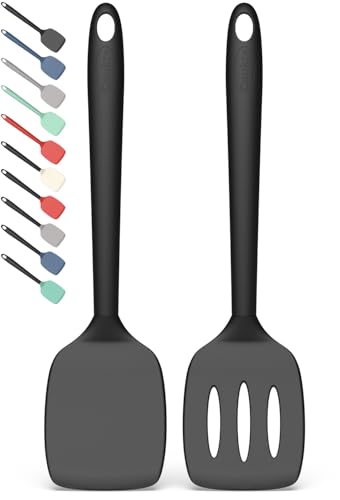
- Silicone or nylon utensil set: Silicone and nylon tools keep the coating intact during stirring and flipping. Look for heat-resistant tools rated above your cooking temperatures. Check price on Amazon
- Felt or fabric pan protectors: These sit between stacked pans and prevent the coated surfaces from rubbing against each other. Check price on Amazon
- Infrared surface thermometer: A simple way to check pan temperature before adding food, which helps you stay in the medium-heat range that ceramic surfaces prefer. Check price on Amazon
FAQ
Is a green pan cookware set safe to use every day?
Manufacturers state that their ceramic coatings are PFAS-free and used within specified temperature limits. Follow the care routine, avoid overheating and replace the set if the coating is badly chipped. For personal health questions, consult a physician.
Can I use metal utensils on a green pan?
Most manufacturers recommend wood, silicone or nylon utensils. Metal can scratch the ceramic surface and reduce its nonstick performance over time.
Does a green pan cookware set work on induction?
Only if the base is labeled induction-compatible or a magnet sticks firmly to the bottom. Many ceramic sets are not induction-ready, so check before buying.
Why is my ceramic pan losing its nonstick surface?
The most common causes are high heat, cooking spray residue, metal utensils and dishwasher cycles. Clean the pan with warm water and mild soap, avoid those habits and cook on medium heat.
Should I buy a full set or individual pans?
Buy a full set if you cook a wide variety of meals and want matching pieces. If you use only two or three pans regularly, individual pieces usually make more sense.