By Emily Parker
Updated November 2026
An all clad d5 stainless steel cookware set is a multi-piece collection of pans and pots built with five alternating layers of stainless steel and aluminum. By the end of this guide, you will know what the D5 line is, what a typical set includes, how the construction affects cooking, and how to decide whether a set or individual pieces make more sense for your kitchen. You will also learn the care habits that keep stainless cookware performing well for decades.
What Makes the D5 Line Different
D5 refers to the five-ply bonded construction used across the line. Stainless steel forms the cooking surface and exterior, and aluminum layers sit between them. Aluminum conducts heat quickly and evenly, while stainless steel is non-reactive, durable and easy to clean. The five-layer build is designed to spread heat across the pan base and up the walls, which reduces hot spots compared with thinner single-layer pans.
Shopping for one? See our guide: 5 Best Non Stick Stainless Steel Cookware Set Picks for 2026.
The practical result is more predictable browning. When you sear chicken thighs or brown butter, you can see the heat behaving consistently across the surface. This matters more in stainless cookware than in nonstick pieces, because stainless relies on proper preheating and fat management to release food cleanly.
What a Typical Set Includes
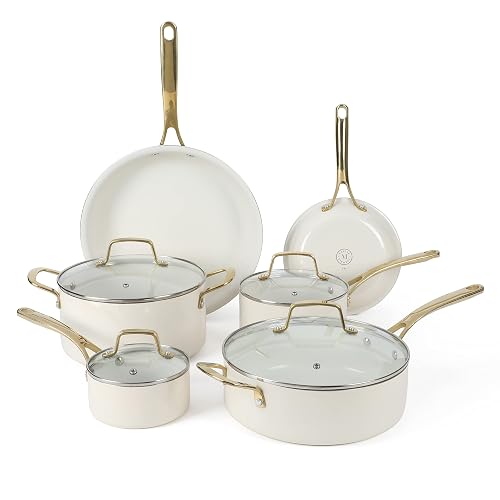
Sets vary by retailer and by year, so always check the product listing before you buy. Most D5 collections include a combination of the following:
- Fry pans in 8-inch and 10-inch sizes for eggs, vegetables and small sauté jobs
- A 12-inch fry pan or skillet for family-size searing
- A 3-quart or 4-quart saucepan with a lid for sauces, grains and reheating
- A 6- to 8-quart stockpot with a lid for pasta, soup and stock
- A sauté pan with a helper handle for braising and one-pot dishes
- A steamer insert for vegetables or dumplings
Many shoppers find that a set saves them from matching pieces one at a time, but a set can also include sizes you rarely use. Before buying, list the dishes you cook most often and count how many pans you use in a typical week.
How to Choose the Right Piece Count
Think in terms of cooking tasks rather than piece totals. A small household that cooks mostly weeknight meals for one or two people can often manage with a 10-inch fry pan, a 3-quart saucepan and a stockpot. A family that cooks large batches may want two fry pans, a larger sauté pan and a Dutch oven or stockpot with a tight lid.
Use this checklist before you commit:
- Note your three most frequent cooking methods (searing, simmering, boiling, braising).
- Check the largest pot you will fill regularly for pasta or stock.
- Confirm that your cooktop and oven settings are compatible with stainless steel (stainless works on induction, gas and electric).
- Check the oven-safe temperature listed by the manufacturer for handles and lids.
- Decide whether you need a steamer insert or if you already own one.
- Compare the set against buying individual pieces to avoid paying for unused items.
Cooking Technique for Stainless Steel
Preheat Properly
Stainless steel releases food only after the surface is hot enough. Heat the empty pan over medium for two to three minutes. A drop of water should bead and roll across the surface. If it spreads and evaporates instantly, the pan is too hot. If it sits and sputters without moving, it needs more time.
Add Fat Before the Food
Add oil or butter after preheating, then wait until it shimmers before adding protein or vegetables. Foods that stick usually went into a pan that was not hot enough or was added too early, before the fat was ready.
Leave the Food Alone
Once you place meat in the pan, wait until it releases naturally before flipping. Most proteins will lift cleanly after about three to four minutes of contact, depending on thickness. Forcing the food early tears the crust and leaves residue behind.
Deglaze for Flavor
The browned bits left after searing are useful. Pour in a splash of wine, stock or water while the pan is still hot and scrape with a wooden spatula. This lifts the fond into your sauce and makes cleanup easier.
Care and Maintenance
Stainless cookware is durable, but it benefits from a steady routine. Wash pans while they are still warm but not scorching hot. Use warm water, a non-abrasive sponge and a mild dish soap. For stuck-on residue, simmer a tablespoon of baking soda with water for five minutes, then scrub gently. Dry thoroughly to prevent water spots, especially if your water is hard.
For a broader overview of cleaning routines across cookware types, the site’s Cookware Maintenance Guide: Cast Iron, Carbon Steel, Stainless and Nonstick covers the methods in more detail. You can also reference the Stainless Steel Cookware Guide for material-specific tips.
Common Mistakes
- Using high heat from the start. Stainless conducts well at medium, and high heat often scorches the fond before the food is ready.
- Adding cold oil to a cold pan. This increases sticking and makes the food harder to release.
- Using steel wool or abrasive cleaners on the cooking surface, which can leave fine scratches that trap residue.
- Overcrowding the pan. Crowded food releases steam, which lowers the surface temperature and prevents browning.
- Buying a set with pieces you will never use. Check the piece list against your actual cooking habits first.
Tips for Getting the Most From Your Set
Keep a small rotation of pans in regular use so the surfaces develop an even patina over time. Store pans with a soft liner or cloth between them to protect the finish. If you are new to stainless steel, start with simple proteins like chicken breasts and salmon to learn how heat and timing interact before moving on to delicate sauces.
If you are comparing sets across brands, the article Stainless Steel Cookware Set All Clad: How to Choose the Right One walks through sizing and fit. For a closer look at what the D5 collection contains, see All-Clad D5 Cookware Set: What You Get and How to Choose. Shoppers weighing other multi-ply options may also find Tramontina Tri-Ply Clad Cookware Set: 5 Best Picks Compared useful for context.
Recommended gear
- Stainless steel cooking spatula: A thin, flexible metal turner slides under seared food without scraping the surface. View on Amazon
- Non-abrasive sponge for cookware: A soft nylon or non-scratch sponge cleans stainless without marring the finish. View on Amazon
- Stainless steel cleaner: A mild polish removes water spots and heat tint on the exterior. View on Amazon
- Pan protector set: Felt or fabric dividers prevent scratches when pans are stacked. View on Amazon
FAQ
Is the all clad d5 stainless steel cookware set oven safe?
Most D5 pieces are rated oven safe to high temperatures, often around 600°F, but handles and lids may have lower limits. Check the manufacturer’s specifications for each piece before using it under the broiler.
Does D5 cookware work on induction?
Yes. The stainless exterior and aluminum core allow the cookware to work on induction, gas and electric cooktops. Confirm the base is flat and the pan is sized to the burner for best results.
Why does food stick to my stainless pan?
The most common causes are insufficient preheating, adding food before the fat is hot, or trying to flip proteins too early. Preheat until water beads, add oil, then wait for the food to release on its own.
How do I remove heat tint or discoloration?
Heat tint is a rainbow-colored film that appears after high heat. A stainless steel cleaner or a simmer with diluted white vinegar usually removes it. Rinse and dry thoroughly afterward.
Can I put a D5 set in the dishwasher?
Many manufacturers list dishwasher-safe care, but hand washing extends the finish and reduces water spotting. Follow the care instructions included with your specific set.
Should I buy a full set or individual pieces?
A full set makes sense if you cook a wide range of dishes and want matching pieces. Individual pieces suit cooks who know exactly which sizes they use and want to avoid unused items.
What is the difference between stainless and nonstick cookware?
Stainless is durable, oven safe at high temperatures and suitable for browning and deglazing. Nonstick releases food easily with less fat but has lower heat limits and a surface that wears over time.
Is a set worth it for a beginner cook?
It can be, provided the piece count matches your cooking style. Beginners often benefit from starting with a 10-inch fry pan, a saucepan and a stockpot, then adding pieces as their habits develop.
Conclusion
An all clad d5 stainless steel cookware set rewards careful preheating, patient cooking and regular cleaning. Matching the piece count to your actual cooking tasks will prevent wasted space and unused pans. With the right technique and care routine, five-ply stainless cookware can serve your kitchen for many years.
Related reading
- Stainless Steel Cookware Set All Clad: How to Choose the Right One
- All-Clad D5 Cookware Set: What You Get and How to Choose
- Top 7 Made in 10-Piece Stainless Clad Cookware Set Picks for Home Cooks
- All-Clad HA1 10-Piece Nonstick Cookware Set: What's Included and How to Use It
- All-Clad Copper Core 10 Piece Cookware Set: 7 Best Options Compared
Ready to choose one?
About Emily Parker
Emily Parker is part of our editorial team and reviews and edits our cookware & knives guides, checking product details against manufacturer specifications and owner feedback.