As an Amazon Associate I earn from qualifying purchases. This page may contain affiliate links.
There is no single best kitchen cookware set for everyone. The right set depends on how you cook, what your stove top is made of, and how much hand-washing you are willing to do. For most home cooks, a set built around a tri-ply or fully clad stainless steel body, with a few well-chosen nonstick or cast iron pieces added, covers the widest range of tasks with the least fuss.
Before you look at brand names or piece counts, it helps to understand what actually drives performance. The core questions are material, construction, pan shapes and how each piece will be cleaned and maintained. Once those are clear, the best set for your kitchen becomes much easier to identify.
Why a Single Set Rarely Covers Everything
Cookware sets are assembled for convenience, not for ideal performance in every task. A typical set includes a few saucepans, a stockpot, a couple of skillets and a lid or two. The problem is that the pieces in a set are often built from the same material, even though different jobs favor different materials. Searing a steak, simmering a delicate sauce and braising short ribs place very different demands on a pan.
Many cooks end up happiest with a core set of stainless steel for everyday sauteing and boiling, plus one or two specialty pieces, such as a 10-inch nonstick skillet for eggs or a 12-inch cast iron skillet for high-heat searing. If you are shopping for a complete set, look for one that includes the pieces you will use most rather than the largest number of items.
The Factors That Actually Matter
Material and Heat Response
Stainless steel is durable, non-reactive and dishwasher safe in most cases, but it is a poor heat conductor on its own. That is why good stainless sets bond an aluminum or copper core into the base and sides. Aluminum heats quickly and evenly, while copper responds even faster but costs more and needs more care. Cast iron holds heat exceptionally well and is excellent for searing, though it heats unevenly and is heavy. Nonstick coatings release food easily and are useful for eggs and delicate fish, but they wear down over time and should not be overheated.
Construction: Fully Clad, Tri-Ply and Disc Bottom
Construction describes how the layers are arranged. Fully clad pans have a conductive core running up the sides as well as across the base, which gives more even heating from bottom to rim. Disc bottom pans have a thick slab of metal only on the base, which is cheaper to make but can create hot spots and slower side heating. Tri-ply means three layers, usually stainless steel, aluminum and stainless steel, and is a reliable marker of quality in most sets.
Compatibility With Your Cooktop
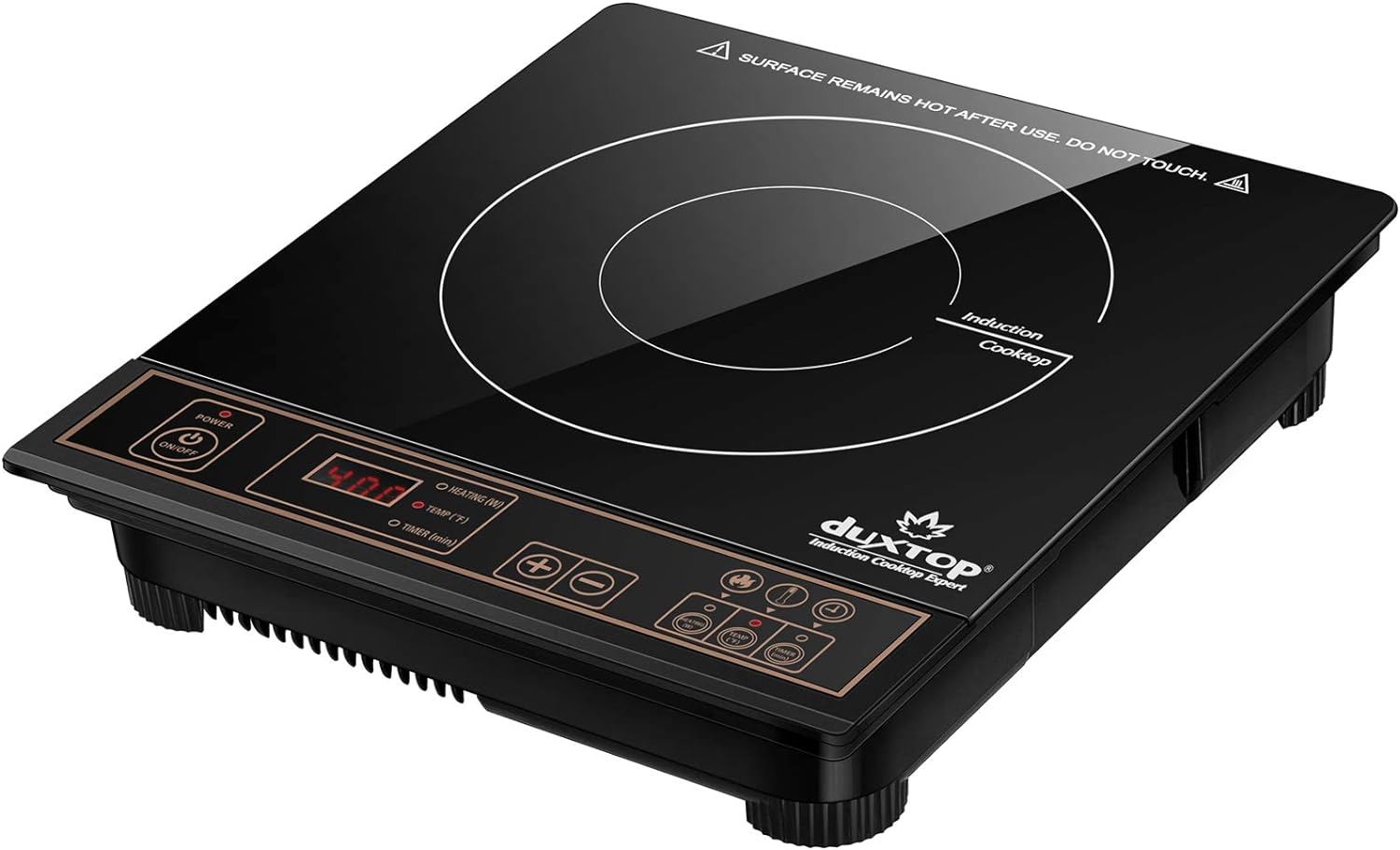
Check your cooktop before buying. Induction ranges require magnetic cookware, and many aluminum-only or copper-only pans will not work. Look for a clear induction-compatible statement on the packaging or in the manufacturer’s specifications. Gas and electric coil cooktops are generally more forgiving, though flat-bottomed pans make better contact with electric surfaces.
Handles, Lids and Oven Safety
Handles should stay cool enough to hold on the stovetop and feel secure when the pan is full. Riveted handles are common on quality stainless pieces. Lids matter more than many buyers expect, because a well-fitting lid speeds up heating and reduces evaporation. Check the manufacturer’s maximum oven temperature, since handles, knobs and nonstick coatings each have their own limits, and many sets are rated lower than the oven temperatures you may want for finishing dishes.
Care and Cleaning Requirements
Dishwasher-safe claims are convenient, but harsh detergents and high-heat cycles can dull finishes and shorten nonstick lifespan. Hand washing with a soft sponge extends the life of most cookware. Cast iron needs its own routine: dry it fully, wipe it with a thin film of oil and avoid soaking it.
What to Do Before You Buy
- List the five meals you cook most often, and note which pans each one needs.
- Confirm your cooktop type and whether you need induction-compatible pieces.
- Decide on a core material: stainless steel for versatility, nonstick for low-fat cooking, or cast iron for searing.
- Choose a set that includes the sizes you will actually use, such as an 8-inch and 10-inch skillet and a 3-quart saucepan.
- Check the manufacturer’s maximum oven temperature and lid compatibility.
- Plan a care routine before the cookware arrives so you do not damage it in the first week.
What We’d Use
For most home kitchens, a tri-ply stainless steel set with a matching lid for each pot is the most versatile starting point. Pair it with a single cast iron skillet for high-heat searing if you want a second pan that handles tasks the set cannot.
A high-quality 12-inch cast iron skillet gives you heavy, retained heat for searing and oven finishing. View on Amazon
A 10-inch nonstick skillet is useful for eggs, pancakes and fish, and it reduces the amount of oil you need. View on Amazon
A fully clad stainless steel saucepan with a tight-fitting lid is a reliable everyday pot for sauces and vegetables. View on Amazon
If you are comparing specific sets, these guides are useful: Hex Clad Cookware Set Guide: What to Check Before You Buy, Green Pan Cookware Set: 6 Factors to Check Before You Buy and Plateful Titanium Cookware Set Review: Features and Performance. For background on how layered pans are built, read Understanding Clad and Disc Bottom Cookware Construction.
Related Questions
Is stainless steel or nonstick better for a first set?
Stainless steel is the more versatile choice for most cooks because it handles high heat, deglazing and oven use. Nonstick is better for eggs and delicate fish but wears out sooner. Many cooks keep one of each.
Do I need a complete set or individual pieces?
Individual pieces let you choose sizes and materials for each job. A complete set is faster to buy and often cheaper per piece, but it may include pans you rarely use.
How long should good cookware last?
Stainless and cast iron can last decades with proper care. Nonstick coatings typically show wear sooner, depending on use, heat and cleaning habits.
Can I use metal utensils on my cookware?
Metal utensils are safe on stainless steel and cast iron but can scratch nonstick coatings. Silicone, nylon or wood utensils are the safer choice for nonstick surfaces.
When should I consult a professional about cookware safety?
If a pan is cracked, warped, flaking or shows signs of damage to a coating, stop using it and replace it. For specific questions about cookware and dietary or health concerns, consult a qualified professional.