 By Emily Parker
Updated November 2026
A stainless steel fry pan wins for cooks who want high-heat searing, browning, fond for pan sauces, and a pan that will last decades with basic care. A nonstick pan wins for anyone who cooks eggs, delicate fish, pancakes, or low-fat meals and wants the easiest cleanup with the least fuss. Most home kitchens do well with one of each, and the sections below explain how to split the work between them.
| Criterion | Stainless Steel Fry Pan | Nonstick Fry Pan |
|---|---|---|
| Heat tolerance | Handles high heat and oven temperatures, often 500°F or higher depending on handle material | Typically limited to medium-high heat; many coatings are rated around 450°F to 500°F |
| Searing and browning | Excellent, builds fond for pan sauces | Limited, coating resists browning and fond formation |
| Food release | Needs preheating and fat to release proteins cleanly | Very easy release, even with little or no oil |
| Durability | Long-lasting; resists scratching and warping with normal use | Coating wears over time; replacement often needed after a few years of regular use |
| Cleaning | May need soaking or a gentle scrub to remove stuck-on food | Usually wipes or rinses clean |
| Utensil safety | Safe with metal utensils | Use silicone, wood, or nylon to protect the coating |
| Fat required | More oil or butter for best results | Little to no fat needed |
| Best suited for | Searing meat, sautéing vegetables, pan sauces | Eggs, crepes, fish fillets, pancakes, reduced-fat cooking |
Heat Tolerance: Stainless Steel Wins
Stainless steel handles high heat without changing its surface. You can preheat a stainless pan over medium-high for two to three minutes, then sear a steak or brown chicken thighs without worrying about the cookware itself. Many stainless pans are also oven-safe to 500°F or higher, though the handle material and any lid is the limiting factor, so check the manufacturer’s rating before roasting a pan of chicken at high temperature.
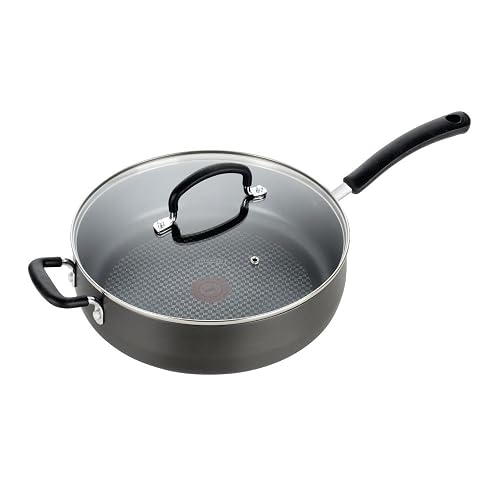
Nonstick coatings, usually PTFE-based or ceramic, are happiest at medium and medium-high heat. Manufacturers commonly specify maximum temperatures around 450°F to 500°F, and cooking an empty nonstick pan over high flame can degrade the coating and release fumes. Keep nonstick pans on low to medium-high unless the label says otherwise.
Winner: stainless steel for any cooking that needs intense, sustained heat.
Searing and Browning: Stainless Steel Wins
Browning depends on the Maillard reaction, and stainless steel gives you the surface temperature and texture to make it happen. Pat your protein dry, heat the pan until a drop of water skitters across the surface, add oil, then place the meat down and leave it alone. Once the crust releases on its own, flip it. The browned bits left behind, called fond, are the base for a pan sauce made with wine, stock, or vinegar.
Nonstick pans resist this process by design. The slick surface keeps food from bonding, so you rarely get the deep, even crust a stainless pan produces. You can still brown ground meat or sauté onions in a nonstick pan, but you will not build much fond, and scraping the surface can damage the coating.
Winner: stainless steel for seared meats, caramelized vegetables, and pan sauces.
Food Release: Nonstick Wins
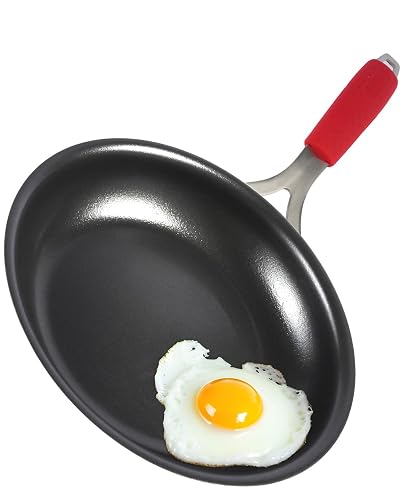
This is where nonstick earns its place. Eggs slide out, fish skin does not tear, and pancakes flip cleanly with a thin spatula and a teaspoon of butter. The coating does the work so you do not have to.
Stainless steel can be nonstick in practice if you master the technique. Preheat the pan until it is hot, add enough fat to shimmer, and wait until the food releases on its own. Proteins like salmon and chicken usually let go after 30 to 60 seconds of undisturbed contact. If the food sticks, it is almost always too early to move it. Adding fat to a cold pan and then heating it is the most common cause of sticking.
Winner: nonstick for delicate foods and beginner-friendly cooking. Stainless steel wins with practice.
Durability and Lifespan: Stainless Steel Wins
A well-made stainless pan can last decades. It does not chip, flake, or wear off. The main risks are warping from extreme temperature changes, such as plunging a hot pan into cold water, and discoloration from overheating. Heat tint can usually be removed with a stainless cleaner.
Nonstick coatings are consumable. Regular use, metal utensils, dishwasher cycles, and high heat all shorten their life. Many owners find that a nonstick pan starts to lose its release after one to three years of daily use, though some last longer with careful handling. When the surface looks scratched, flaking, or no longer releases food, it is time to replace the pan.
Winner: stainless steel for long-term value and fewer replacements.
Cleaning and Maintenance: Nonstick Wins
Nonstick is the easiest pan to clean. Most residue wipes away with a soft sponge and warm, soapy water. Stainless steel needs more attention after cooking. To handle stuck-on food, add a splash of water to the warm pan, scrape with a wooden spoon, and simmer for a few minutes. For tougher residue, a paste of baking soda and water works well. For a step-by-step guide, see Stainless Steel Pan Cleaning and Removing Burnt-On Food from Stainless Steel Pans.
Avoid dishwashers for both types when possible. Dishwasher detergent is harsh on nonstick coatings and can dull stainless finishes over time. Hand washing extends the life of either pan.
Winner: nonstick for quick cleanup, with stainless steel close behind once you learn the routine.
Utensil Compatibility: Stainless Steel Wins
Stainless steel tolerates metal spatulas, tongs, and whisks. You can scrape the pan, stir aggressively, and not worry about damage. Nonstick surfaces need silicone, wood, or nylon tools. A metal edge can gouge the coating, and once it is scratched, food sticks more and the pan wears faster.
Winner: stainless steel. If you prefer metal tools, a stainless pan suits your habits.
Fat and Healthy Cooking: Nonstick Wins
Because nonstick releases food with little oil, it is a good choice for low-fat cooking. Eggs, omelets, and lean fish cook well with a light spray or a few drops of oil. Stainless steel generally requires more fat to prevent sticking, though the fat is also what makes browning and crisping possible.
If you are managing calorie or fat intake, a nonstick pan can reduce the oil you use. For anyone with specific dietary needs, consult a registered dietitian or your healthcare provider about your cooking plan.
Winner: nonstick for reduced-fat cooking.
Which Should You Choose?
- Choose stainless steel if you sear meat, make pan sauces, cook at high heat, or want a pan that lasts for decades.
- Choose nonstick if you cook a lot of eggs, pancakes, crepes, or delicate fish, or you want the fastest possible cleanup.
- Choose stainless steel if you are willing to learn preheating and fat control and want the most versatile pan for everyday cooking.
- Choose nonstick if you are a beginner who wants reliable results while you build cooking skills.
- Choose both if your kitchen has room. Use stainless for searing and sautéing, and nonstick for eggs and fish.
For a closer look at stainless options, see How to Choose a Stainless Steel Pan and Stainless Steel Cookware Guide. If you are leaning toward nonstick, Choosing Between Nonstick and Stainless Steel Pans covers the trade-offs in more depth.
Product Options
Stainless steel option: All-Clad Stainless Steel 12-Inch Fry Pan is a widely known premium option with a fully clad construction, meaning aluminum runs through the base and sides for even heating. View on Amazon
Nonstick option: Tramontina Professional Aluminum Nonstick Fry Pan is a practical choice for everyday cooking with a durable coating and comfortable handle. View on Amazon
For more nonstick comparisons, see Top 5 Stainless Steel Nonstick Fry Pans Compared for Home Cooks and Wirecutter Best Nonstick Pan: 6 Best Nonstick Pans for Home Cooks (2026).
FAQ
Can you use metal utensils on stainless steel fry pans?
Yes. Stainless steel tolerates metal spatulas, tongs, and whisks. Avoid scraping aggressively on heavily stuck food, since that can mark the surface, but normal use with metal tools is fine.
How hot can I get a nonstick pan before the coating breaks down?
Most nonstick coatings are rated to about 450°F to 500°F, depending on the product. Stay at medium to medium-high heat and never preheat an empty nonstick pan on high. Check the manufacturer’s instructions for the exact limit on your pan.
Why does food stick to my stainless steel pan?
The most common cause is adding food before the pan is hot enough, or moving food too early. Preheat the pan, add oil once it shimmers, and wait until the food releases on its own before flipping. Cold pans and wet food also increase sticking.
How often should I replace a nonstick fry pan?
There is no fixed schedule. Replace the pan when the coating is visibly scratched, flaking, or no longer releases food without extra oil. Frequent daily use and high heat shorten the life of the coating.
Is stainless steel or nonstick healthier?
Both are generally considered safe when used as directed. Nonstick lets you cook with less fat, while stainless steel is inert and does not have a coating to wear down. If you have specific health concerns, consult your doctor or a registered dietitian.
Conclusion
Stainless steel and nonstick do different jobs well. Stainless steel is the stronger tool for searing, browning, pan sauces, and long-term durability, and it rewards cooks who learn to control heat and fat. Nonstick is the easier pan for eggs, fish, pancakes, and quick cleanup, and it suits low-fat cooking. If you can own only one, choose stainless steel for its versatility and lifespan, then add a nonstick pan when your cooking calls for it.
About Emily Parker
Emily Parker is part of our editorial team and reviews and edits our cookware & knives guides, checking product details against manufacturer specifications and owner feedback.