 By Emily Parker
Updated November 2026
A stainless steel frying pan is the better choice if you want a durable, high-heat pan that can sear meat, build fond for pan sauces, and go in the oven. A nonstick pan wins for cooks who prioritize gentle, low-fat cooking of eggs, pancakes, and delicate fish with minimal cleanup. Most home kitchens benefit from owning one of each, but if you can only pick one, the decision comes down to how you cook most often.
| Criterion | Stainless Steel Frying Pan | Nonstick Frying Pan |
|---|---|---|
| Surface | Bare metal, usually clad with an aluminum or copper core | Coated surface (PTFE or ceramic-based) |
| Maximum recommended heat | High; suitable for searing and deglazing | Medium; manufacturers typically advise against empty preheating on high |
| Browning and fond | Excellent; builds fond for pan sauces | Limited; little fond forms |
| Food release | Requires preheating and enough fat | Very easy; eggs and fish slide off |
| Oven safety | Usually oven-safe to high temperatures, depending on handle | Often limited to lower oven temperatures |
| Metal utensils | Fine | Can damage coating |
| Dishwasher | Usually allowed, though hand washing extends appearance | Often allowed, but hand washing extends coating life |
| Lifespan | Many years with normal care | Coating wears over time; replacement is typical |
| Best for | Searing, sauces, oven finishing, long-term use | Eggs, pancakes, delicate fish, low-fat cooking |
Heat Tolerance and Searing: Stainless Steel Wins
When you need a hard sear on a steak, pork chop, or chicken thigh, stainless steel is the stronger tool. A well-made stainless pan with an aluminum or copper core heats evenly and holds heat well when cold protein hits the surface. That temperature stability is what produces a deep brown crust.
Nonstick coatings have a practical heat ceiling. Most manufacturers recommend medium to medium-high heat and warn against preheating an empty pan on high, since overheating can degrade the coating and release fumes. Searing at high heat in a nonstick pan is not only less effective but also works against the coating’s lifespan.
Winner: Stainless steel. If your cooking involves high-heat browning, stainless is the clear choice.
Fond and Pan Sauces: Stainless Steel Wins
The browned bits left after searing are called fond, and they are the foundation of many pan sauces. Deglazing a stainless pan with wine, stock, or vinegar lifts those bits and turns them into a sauce in a few minutes. This is one of the most useful skills a home cook can learn, and stainless is the pan that makes it possible.
Nonstick surfaces are designed to resist sticking, which is exactly what keeps fond from forming. You will get some flavor from deglazing a nonstick pan, but the result is thinner and less complex. If you cook a lot of sauces from pan drippings, stainless steel is the better tool.
Winner: Stainless steel.
Food Release and Egg Cooking: Nonstick Wins
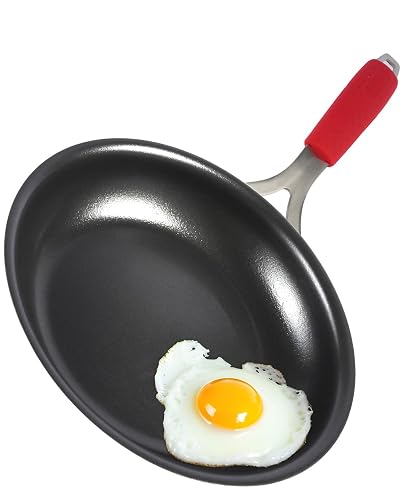
This is where nonstick earns its reputation. Eggs, crepes, pancakes, and flaky fish fillets slide out of a good nonstick pan with little or no added fat. For a single fried egg over medium-low heat with a small amount of butter, nonstick is far more forgiving than stainless.
Stainless steel can also cook eggs without sticking, but it takes technique. You need to preheat the pan until a drop of water beads and skates across the surface, then add enough fat to form a thin layer before the food goes in. Once you learn the process, stainless produces excellent eggs, but nonstick remains the easier option for beginners and for anyone cooking with very little oil.
Winner: Nonstick.
Durability and Lifespan: Stainless Steel Wins
A stainless steel pan is built from metal that resists scratching, warping under normal use, and wear from routine cooking. With reasonable care, it can last for many years and remains usable even after decades of daily cooking in some households. Its performance does not depend on a coating that will eventually break down.
Nonstick pans have a finite life. The coating gradually loses its slickness, especially with high heat, metal utensils, abrasive scrubbers, or aggressive dishwasher cycles. Many owners replace nonstick pans once food starts to stick consistently. Manufacturers generally advise against cooking sprays and high heat for the same reason, since residue can build up and reduce release.
Winner: Stainless steel.
Cleaning and Maintenance: Nonstick Wins for Convenience
Nonstick cleanup is quick. Most food rinses away with a sponge and warm water, and the surface rarely needs scrubbing. If you want the simplest daily routine, nonstick is hard to beat.
Stainless steel needs more attention, especially after searing. Stuck-on residue can be removed with a little hot water, a splash of vinegar, or a baking soda paste, and burnt-on food may need a longer soak. Once you know the routine, cleaning a stainless pan is not difficult, but it does take more effort than wiping out a nonstick pan. Heat discoloration, sometimes called rainbowing, is cosmetic and does not affect cooking, though many cooks dislike it.
Winner: Nonstick, for convenience.
Oven Use and Versatility: Stainless Steel Wins
Stainless steel pans move easily from stovetop to oven. A seared chicken breast or a frittata can finish in a 400°F oven without concern, provided the handle is rated for it. This makes stainless ideal for techniques like searing then roasting.
Nonstick pans often have lower oven limits, and some manufacturers specify a maximum around 350°F or lower. Check the product guidance before using a nonstick pan in the oven, since handles and coatings vary.
Winner: Stainless steel.
Utensils and Coating Care: Stainless Steel Wins
You can use metal tongs, spatulas, and whisks in a stainless pan without worry. Nonstick surfaces are scratched by metal, and even small scratches can cause the coating to flake over time. If you use nonstick, wooden, silicone, or nylon tools are the safer choice.
Winner: Stainless steel.
Which Should You Choose?
- Choose stainless steel if you sear meat often, make pan sauces, or want a pan that can go in the oven.
- Choose stainless steel if you want a pan that lasts for years and you are willing to learn preheating and fat-control technique.
- Choose nonstick if your main breakfasts are eggs, pancakes, or crepes and you want the easiest release.
- Choose nonstick if you cook with minimal oil and want fast, simple cleanup.
- Choose nonstick if you are cooking for beginners or in a shared household where easy cleanup matters most.
- Keep both if you cook a wide range of dishes. Many cooks use nonstick for eggs and stainless for everything else.
If you are still deciding on a stainless model, How to Choose a Stainless Steel Pan covers the construction details that separate reliable pans from flimsy ones. For a broader look at stainless options, Top 5 Stainless Steel Nonstick Fry Pans Compared for Home Cooks is a useful next read.
Stainless Steel Option
For a widely used, well-regarded stainless pan, look at the All-Clad stainless line. Owners often praise its even heating and sturdy construction. View on Amazon
Nonstick Option
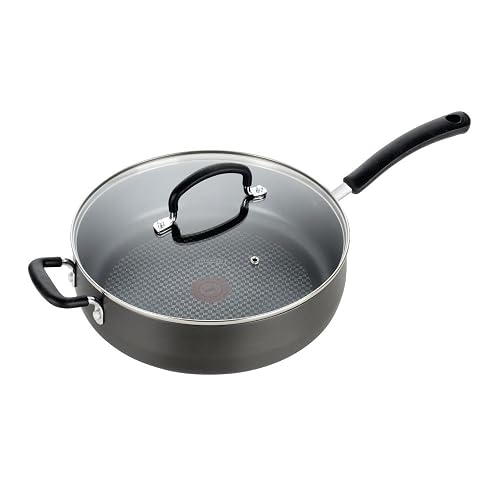
For a dependable everyday nonstick pan, the Tramontina Professional Aluminum Nonstick Fry Pan is a common pick among home cooks who want reliable release at a moderate price. View on Amazon
If you are weighing a nonstick purchase in more depth, Choosing Between Nonstick and Stainless Steel Pans and Cookware Maintenance Guide: Cast Iron, Carbon Steel, Stainless and Nonstick both explain how to get the most from each type.
FAQ
Can I use a stainless steel pan without oil?
You can, but you need to preheat the pan properly and use a small amount of fat for most foods. Preheat over medium heat until a drop of water beads and moves freely across the surface. This temperature helps food release. Without oil, eggs and proteins are more likely to stick.
Is nonstick safe to use at high heat?
Most manufacturers recommend against high heat for nonstick pans. Overheating can damage the coating and produce fumes. Cook on medium or medium-low heat and avoid preheating an empty pan on high. If you need high heat for searing, use stainless or another high-heat-rated pan instead.
Why do my stainless steel pan’s colors change?
Blue, purple, or rainbow tints usually come from heat exposure and mineral residue. The discoloration is cosmetic and does not affect cooking performance. A cleaning with a mild acid such as vinegar or a stainless-safe cleaner typically removes it.
How long does a nonstick pan last?
Lifespan depends on use, heat level, and care. Many owners find that food begins to stick more often after a few years of regular cooking, especially with metal utensils or high heat. Gentle handling, hand washing, and medium heat help the coating last longer. When release clearly declines, replacement is the usual choice.
Should I buy stainless steel or nonstick first?
If you can only buy one pan, consider how you cook most often. A stainless pan offers more versatility for searing, sauces, and oven finishing, and it lasts longer. A nonstick pan is simpler for eggs and low-fat cooking. Many cooks start with stainless for its range and add a nonstick pan later for specific tasks.
Conclusion
The choice between a stainless steel frying pan and a nonstick pan is less about which is better overall and more about what you cook. Stainless steel is the stronger all-purpose pan. It sears well, builds fond for sauces, handles oven finishing, and lasts for years with proper care. Nonstick is the easier pan for eggs, pancakes, and delicate fish, and its quick cleanup appeals to anyone who wants minimal effort. Consider your cooking habits, your willingness to learn stainless technique, and how much you value convenience, then choose the pan that fits your kitchen. Many home cooks find that owning one of each covers nearly every task.
Related reading
- Tramontina Nonstick Frying Pan: 6 Best Picks for Every Kitchen
- Caraway Nonstick Ceramic Frying Pan: Care Tips and Buying Guide
About Emily Parker
Emily Parker is part of our editorial team and reviews and edits our cookware & knives guides, checking product details against manufacturer specifications and owner feedback.