 By Emily Parker
Updated November 2026
Both ceramic and nonstick pans release food easily, but they are not the same thing. Traditional nonstick pans use a PTFE-based coating, while ceramic pans use a sol-gel coating made mainly from silica. For most home cooks who want the easiest egg-flipping and cleanup, a traditional PTFE nonstick pan still wins on slickness and forgiveness. Readers who prefer a coating free of PTFE and PFOA, and who are willing to baby their pan a bit more, will find ceramic a reasonable choice.
| Criteria | Ceramic Pan | Traditional Nonstick Pan |
|---|---|---|
| Coating base | Sol-gel, silica-based | PTFE (polytetrafluoroethylene) |
| PFAS/PFOA-free | Yes, as marketed | Modern versions are PFOA-free; many still contain PTFE |
| Initial release | Good, improves with light oil | Excellent from the first use |
| Maximum recommended heat | Typically around 450°F or below, per most manufacturers | Commonly rated to about 500°F, depending on brand |
| Scratch resistance | Moderate; coating can dull over time | Moderate; scratches can expose the base |
| Browning and searing | Adequate for light browning | Adequate for light browning |
| Dishwasher safety | Often listed as hand-wash only | Varies; hand washing extends life |
| Typical lifespan with care | Often 1 to 2 years of strong release, per owner reports | Often 2 to 5 years, per owner reports |
Coating Composition: What Actually Separates Them
The biggest difference is the chemistry. Traditional nonstick pans rely on PTFE, the fluoropolymer best known by the brand name Teflon. PTFE is inert and creates an extremely low-friction surface, which is why eggs slide off so easily. Manufacturers note that PTFE is stable at normal cooking temperatures, but it can break down and release fumes if overheated, which is why most pans are labeled for medium heat.
Ceramic pans are coated with a sol-gel layer derived from silica, often sold as “ceramic” even though it is a thin glass-like film, not a fired ceramic body. Marketing for these pans commonly emphasizes being free of PTFE, PFOA and PFAS. That is a real chemical distinction, and it is the main reason people choose ceramic. The tradeoff is that the sol-gel coating is generally less slick at the start and depends more on how you use and clean it.
Winner: Traditional nonstick for out-of-the-box slickness. Winner: Ceramic if avoiding PTFE is your top priority.
Heat Tolerance and Cooking Temperature
Heat tolerance matters more than most people expect. Many ceramic pan makers specify a maximum around 450°F, and some recommend staying at medium or medium-low for daily cooking. Traditional nonstick pans are often rated higher, sometimes around 500°F, though most recipes that call for nonstick never need that much heat.
In practice, use medium heat for eggs, pancakes, fish and sautéed vegetables with either pan. Preheat empty for only a minute or two, then add fat. Never leave an empty pan on a high burner. Overheating a ceramic coating can cause it to discolor and lose slickness faster than normal wear would.
Winner: Traditional nonstick, because its rated ceiling is higher and it forgives a bit more heat abuse.
Release Performance and Everyday Slickness
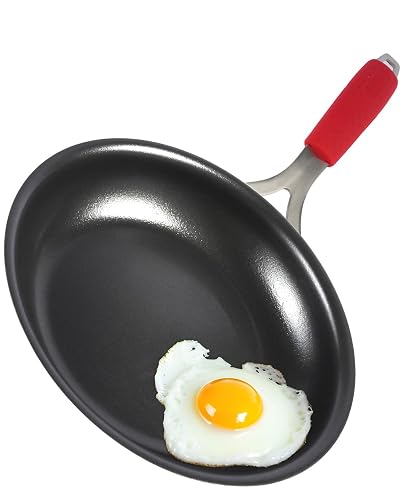
For eggs, crepes and delicate fish, release performance is what you notice first. A fresh PTFE pan lets a fried egg slide without any fat at all. A new ceramic pan usually needs a thin film of oil, roughly half a teaspoon for an 8-inch pan, and it performs best when you let the pan warm before adding food.
Over time, both types lose some slickness. Owners of ceramic pans often report that release drops noticeably after several months of heavy use, especially if the pan is overheated or scrubbed with abrasive pads. Nonstick pans hold their release longer when they are treated gently, though scratches from metal utensils will eventually cause sticking.
Winner: Traditional nonstick for consistent release over the long term, especially for eggs.
Durability and Scratch Resistance
Neither coating is indestructible. Metal utensils, stacking pans without protection, and abrasive scrubbers all shorten the life of both. Ceramic coatings are often described as harder at the surface, but they can craze or develop a dull, grayish patch when exposed to repeated thermal shock, such as plunging a hot pan into cold water.
Traditional nonstick coatings are softer, so they scratch more visibly, but a light scratch does not always mean the pan is finished. Many manufacturers recommend replacing a nonstick pan once the coating is flaking or food sticks persistently, even after proper oiling. A useful rule: if you can see bare metal in the cooking area, retire the pan.
Winner: Tie. Both need careful handling, and neither tolerates metal utensils well.
Cleaning and Maintenance
Cleaning is where both types shine compared with bare stainless or cast iron. Warm water, a soft sponge and a drop of dish soap usually do the job. Avoid cooking spray on either pan, since it can leave a sticky polymer residue that is hard to remove and drags down release.
- Let the pan cool for five to ten minutes after cooking. Never run cold water into a hot pan.
- Wipe out excess grease with a paper towel while the pan is still warm.
- Wash with a soft sponge, warm water and mild soap.
- For stuck-on residue, simmer a tablespoon of baking soda and water for two minutes, then rinse.
- Dry fully before stacking, and place a paper towel or pan protector between pans.
Ceramic pans are more sensitive to harsh detergents and dishwasher heat, so hand washing is the safer default. Many nonstick pans are labeled dishwasher safe, but owners who wash by hand generally report longer coating life.
Winner: Traditional nonstick, slightly, because it tolerates a wider range of cleaning routines. Both pans are easy to clean compared with most other types.
Cost of Ownership and Replacement
Because ceramic and nonstick coatings wear out, the real question is how often you will replace the pan. Owners of ceramic pans often plan for replacement sooner, while well-cared-for PTFE pans can last several years. When comparing options, weigh the expected lifespan against how often you cook. A daily cook will use up either coating faster than a weekend cook. Budget-minded shoppers may prefer a mid-range nonstick pan over an entry-level ceramic one if the nonstick lasts longer in their kitchen.
Winner: Traditional nonstick in most owner reports for longevity, though results vary with use and care.
Health and Safety Considerations
Both coatings are considered safe for normal cooking when used within manufacturer temperature limits. The main health-related concern with PTFE is overheating, which can release fumes that cause temporary flu-like symptoms in people and are harmful to pet birds. That risk is largely avoided by staying at medium heat and never heating an empty pan. Ceramic coatings avoid PTFE altogether, which appeals to people wanting a fluorine-free surface.
If you have a specific medical concern, or you cook for infants, pregnant people or pets with respiratory sensitivity, consult a healthcare professional or veterinarian for personal guidance.
Winner: Ceramic for those who want to avoid PTFE entirely. Winner: Traditional nonstick for those comfortable with PTFE used at safe temperatures.
Which Should You Choose?
- Choose a traditional nonstick pan if you cook eggs, pancakes or fish most mornings and want the most reliable release with minimal oil.
- Choose a ceramic pan if avoiding PTFE is important to you and you are willing to use a little oil and keep the heat at medium or below.
- Choose a nonstick pan if you want a pan that tolerates a slightly wider range of cleaning methods and heat levels.
- Choose a ceramic pan if you prefer a lighter-feeling coating and plan to hand wash every time.
- Choose either for light sautéing, but skip both for searing steak or high-heat stir-frying, where carbon steel or stainless is a better fit.
If you are still deciding between coating types and want to see how a nonstick pan compares with metal options, Choosing Between Nonstick and Stainless Steel Pans covers the tradeoffs in more depth. For a closer look at ceramic-specific care, Caraway Nonstick Ceramic Frying Pan: Care Tips and Buying Guide walks through the routine step by step.
Popular Options to Compare
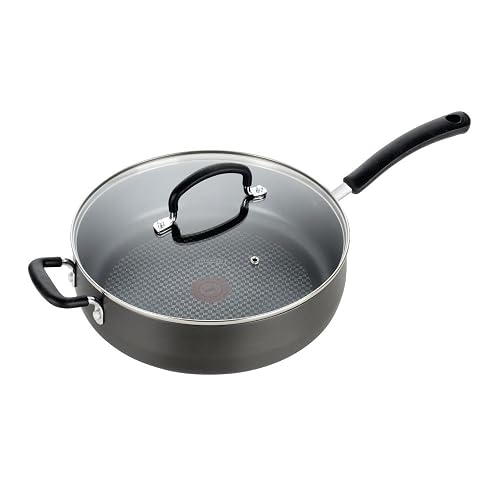
For a traditional nonstick pan, look at the Tramontina Professional Aluminum Nonstick Fry Pan, which many home cooks use for everyday eggs and sautéing. View on Amazon
For a ceramic option, the Caraway Nonstick Ceramic Frying Pan is one of the most widely discussed models among readers who want a PTFE-free surface. View on Amazon
For more buying options in each category, see 6 Best Nonstick Ceramic Pan Picks for Everyday Cooking (2026) and Wirecutter Best Nonstick Pan: 6 Best Nonstick Pans for Home Cooks (2026).
FAQ
Is ceramic nonstick actually better for your health?
Ceramic coatings are PTFE-free, which is the main reason people choose them. Both types are considered safe at recommended cooking temperatures. Overheating either one is the real concern, so use medium heat and avoid heating an empty pan.
Can I use metal utensils on a ceramic or nonstick pan?
Manufacturers generally advise against it for both. Silicone, wood or nylon tools are the safer choice and help preserve release performance.
Why does my ceramic pan stick after a few months?
Common causes include overheating, cooking spray residue, abrasive scrubbing and thermal shock from rinsing a hot pan in cold water. Gently cleaning the pan and using a small amount of oil often helps, though a worn coating cannot be fully restored.
How long should a nonstick or ceramic pan last?
Lifespan depends heavily on use and care. Owners often report that well-maintained traditional nonstick pans last several years, while ceramic pans may need replacing sooner. Replace any pan once the cooking surface shows bare metal or flaking.
Which is better for eggs, ceramic or nonstick?
For eggs, a traditional nonstick pan usually gives the most reliable, low-fat release. A ceramic pan can work well too, provided you add a little oil and keep the heat moderate.
Conclusion
For most home cooks who want the easiest release and the longest-lasting slickness, a traditional nonstick pan is the stronger pick. If avoiding PTFE is a priority, a ceramic pan is a reasonable alternative, as long as you accept more careful oiling, lower heat limits and gentler cleaning. Match the coating to your cooking habits, and either one will serve you well for everyday eggs, pancakes and sautéed vegetables.
Related reading
- Aluminum vs Nonstick Baking Pan: 6 Best Picks Compared (2026)
- 5 Best Nonstick Ceramic Frying Pans for Everyday Cooking (2026)
- 5 Best Ceramic Nonstick Fry Pan Picks Compared (2026)
About Emily Parker
Emily Parker is part of our editorial team and reviews and edits our cookware & knives guides, checking product details against manufacturer specifications and owner feedback.