Quick answer
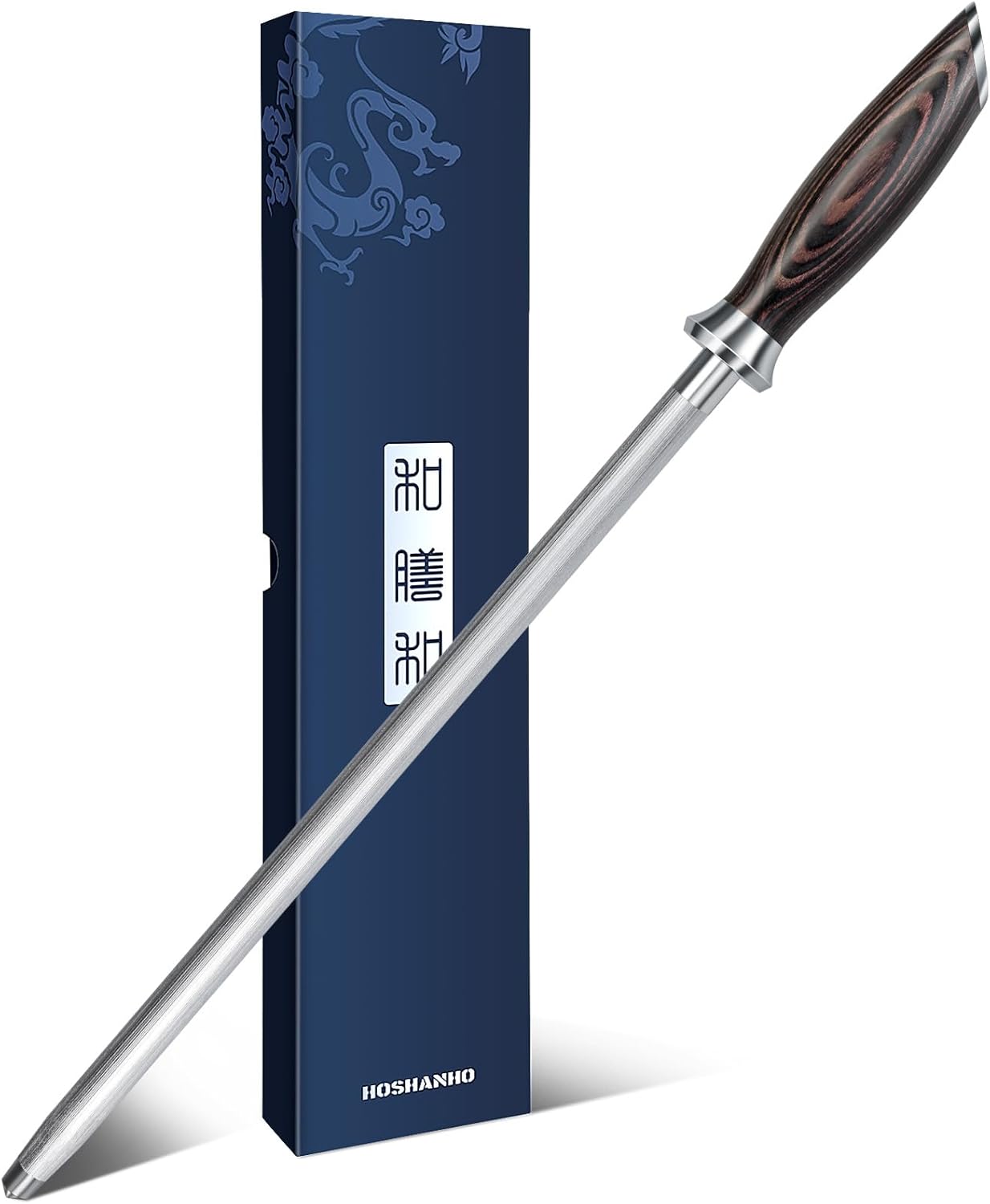
To use a knife honing steel correctly, hold the steel vertically with its tip on a stable surface. Hold your knife at a 15-20 degree angle to the rod and, with light pressure, draw the blade down and across the steel from heel to tip, alternating sides for 5-10 strokes each. This realigns the edge, restoring sharpness between full sharpenings.
Understanding how to use a knife honing steel is one of the most impactful skills for keeping your kitchen knives performing well. Unlike sharpening, which removes metal to create a new edge, honing is a maintenance step that straightens the microscopic teeth along the existing edge, which bend with use. When done correctly and regularly, it can dramatically extend the time between full sharpenings and keep your knives cutting safely and efficiently. This guide will walk you through the technique, the common pitfalls, and the science of why it works.
The Science of Honing: Why It Works
Under a microscope, a sharp knife’s edge isn’t a perfectly smooth wedge. It’s a series of tiny, fragile teeth formed by the abrasive grit during sharpening. Every time you cut, especially on hard surfaces, these teeth can bend, roll over, or misalign. This is what causes a knife to feel dull, even though the actual metal edge is still there. A honing steel, which is harder than the knife steel, doesn’t grind metal away. Instead, it acts as a straightener. As you draw the blade across the rod, the steel pushes these bent teeth back into alignment, instantly restoring a straighter, sharper-feeling cutting edge. This process is often called “realigning” or “truing” the edge.
How to Use a Knife Honing Steel: Step-by-Step
Proper technique is crucial for safety and effectiveness. Rushing or using the wrong angle can damage your blade or the honing rod.
Safety
Always work on a stable, non-slip surface. Keep your fingers behind the knife’s guard and away from the edge. Focus on the task—distractions lead to nicks. If you are unsure, many knife manufacturers provide video tutorials on their websites demonstrating proper technique for their specific products.
- Secure Your Steel: Place the tip of the honing steel firmly on a secure, non-slip surface like a cutting board or countertop. Hold the handle upright with your non-dominant hand. Some prefer to hold the steel out in front of them horizontally; the vertical method is often recommended for beginners as it provides more stability.
- Find the Angle: Hold your knife in your dominant hand. The key is to match the existing edge angle, which for most Western chef’s knives is between 15 and 20 degrees per side. A simple trick is to place the knife’s heel against the steel at a 90-degree angle (blade perpendicular to rod), then halve that angle to 45 degrees, and halve it again to approximately 22.5 degrees. This gets you close.
- Draw the Blade: With the knife’s heel near the top of the steel, place the edge against the rod at your chosen angle. Using light to medium pressure, smoothly draw the knife down and slightly across the steel, so the entire edge—from the heel near the handle all the way to the tip—makes contact with the rod. Imagine you are trying to slice a thin sliver off the rod.
- Alternate Sides: Perform one stroke on one side of the blade, then immediately switch to the other side of the steel to stroke the opposite side of the knife. This keeps the edge centered. Repeat this alternating pattern.
- Repeat and Finish: For general maintenance, 5-10 alternating strokes (total of 10-20 passes) are usually sufficient. Wipe the blade clean with a soft cloth to remove any microscopic metal particles.
Common Mistakes to Avoid
Even with good intentions, it’s easy to develop bad habits that reduce the effectiveness of honing or harm your tools.
- Using Too Steep an Angle: A very high angle will create a wider, duller micro-bevel on your edge. Consistently using the correct, shallow angle is critical for maintaining the knife’s original sharpness.
- Using Too Much Pressure: Honing requires finesse, not force. Heavy pressure can chip the edge or cause uneven wear. Let the steel do the work.
- Honing a Dull Knife: A honing steel cannot fix a truly dull or damaged edge. If your knife doesn’t improve after honing, it needs proper sharpening on stones or another abrasive system to re-establish the edge. Our article on knife sharpening vs honing explains this difference in detail.
- Neglecting Parts of the Edge: Ensure the entire cutting edge, including the curved tip section, contacts the steel. This often requires a slight twisting of the wrist as you draw the knife down.
- Using the Wrong Rod: Ceramic rods are finer and can remove a tiny amount of metal, acting more like a sharpener. Diamond-coated rods are aggressive abrasives. A smooth, polished steel rod is the classic tool for pure realignment. Know which one you have and use it appropriately.
How Often Should You Hone Your Knives?
Frequency depends entirely on use. A professional chef might hone their primary knife before each shift or even during prep. For a motivated home cook, a good rule of thumb is to give your knife a few strokes on the steel every 2-3 times you use it. Listen to your knife: if it starts to feel like it’s crushing tomatoes or slipping on onion skins instead of biting in, it’s time for a honing. Regular honing as part of your overall knife care routine will keep the edge in top condition far longer. Also, using a forgiving cutting board material like wood or soft plastic will reduce how often you need to hone.
| Usage Level | Recommended Honing Frequency |
|---|---|
| Daily, heavy use | Before or after each use (5-10 strokes per side) |
| Regular home cooking (4-5 times a week) | Every 2-3 uses |
| Occasional use | Once a month, or when the knife feels less sharp |
FAQ
Can I use a honing steel on any type of knife?
Honing steels are most effective on knives made from steels that are somewhat flexible and resilient, which includes most Western-style chef’s knives and many utility knives. They are generally not recommended for very hard, brittle steels like those in many Japanese-style blades, as the steel can chip the fine edge. For these knives, a ceramic honing rod or a leather strop is often the preferred maintenance tool. Always check your knife manufacturer’s care instructions.
What’s the difference between a sharpening steel and a honing steel?
This is largely a matter of semantics and marketing. Traditionally, a “honing steel” refers to a smooth, polished rod meant solely for realignment. However, many rods now have abrasive surfaces (diamond coating, ceramic, grooved metal). These technically remove metal and are therefore sharpening tools. In practice, the term “honing steel” is used for all of them. The key is to know the material of your rod: smooth steel for realignment, abrasive surfaces for light sharpening.
How do I clean and care for my honing steel?
Wipe it down with a damp cloth after use to remove metal particles. For a deeper clean, wash with warm water and mild soap, dry immediately, and store it in a dry place. Many come with a protective sheath or can be stored in a block. Proper knife storage that protects the edge also applies to protecting your honing rod from knocks and drops that could damage its surface.
My knife is still dull after honing. What now?
This means the edge is worn down or damaged beyond what realignment can fix. The microscopic teeth have been worn away, and the steel needs to be abraded to form a new edge. It’s time for a full sharpening session using whetstones, a guided system, or a professional sharpening service. After sharpening, you can resume regular honing to maintain that new edge.
Is there a safety risk from metal particles after honing?
The particles removed during honing with a smooth steel are extremely fine. However, it’s a good practice to always wipe the blade clean with a cloth after honing, and to wash the knife before its next use, just as you would as part of proper cleaning and drying after any food prep. This ensures no residue transfers to your food.
References
- USDA Food Safety and Inspection Service: Safe food handling and preparation guidelines, including safe minimum internal temperatures.
- Manufacturer manuals and specification sheets: For specific care and use instructions for knives and honing tools.