 By Claire Whitaker
Updated November 2026
Anyone shopping for a shun 6 inch chef knife is usually weighing a few things at once: how much control a shorter blade gives on small jobs, whether a Japanese-style edge will hold up to daily use, and whether the handle feels right in the hand. This guide compares six 6-inch chef’s and related knives, with a focus on Shun’s VG-MAX cored designs and a few alternatives worth considering. The selection criteria were blade steel and edge geometry as stated by manufacturers, brand reputation for sharpening and fit and finish, and patterns that owners commonly report after long-term use.
Our top picks at a glance
- 1
 TOP CHOICEBest overallShun Handcrafted Japanese Kitchen Knife, Classic 6" Chef's KnifeView on Amazon
- 2
 TOP CHOICEBest for vegetable prepShun Japanese Chef Knife, Classic 6" Kiritsuke KnifeView on Amazon
- 3
 TOP CHOICEBest for small kitchensHOSHANHO Kitchen Knife, Professional High-Class Chef's Knife 8 inchView on Amazon
- 4
 Best budget pickAmazon Basics Classic 8-inch Full Tang High Carbon Stainless Steel Chef's KnifeView on Amazon
- 5
 Best for gift-givingimarku Japanese High Carbon Stainless Steel Santoku Knife 7 InchView on Amazon
- 6
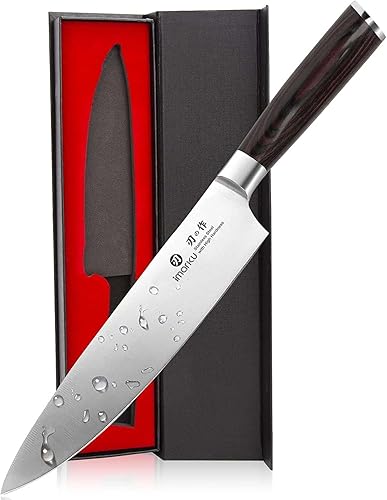 Best for precision trimmingimarku Japanese Gyutou Chef Knife 8 InchView on Amazon
Note on this guide: The picks below are based on published specifications, brand information, and common owner feedback. We have not tested these knives ourselves, so treat the pros and cons as summaries of what is generally reported rather than first-hand findings.
Our Top Picks
Quick Comparison
| Product | Best for | Key feature |
|---|---|---|
| Shun Handcrafted Japanese Kitchen Knife, Classic 6″ Chef’s Knife | Overall use with a refined edge | VG-MAX core with Damascus cladding |
| Shun Japanese Chef Knife, Classic 6″ Kiritsuke Knife | Vegetable prep | Kiritsuke-style profile with a sharp tip |
| HOSHANHO Kitchen Knife, Professional High-Class Chef’s Knife 8 inch | Small kitchens and general cooking | High-carbon steel with a non-slip handle |
| Amazon Basics Classic 8-inch Full Tang Chef’s Knife | Budget-minded home cooks | Full tang with three rivets |
| imarku Japanese High Carbon Stainless Steel Santoku Knife 7 Inch | Everyday chopping and gifting | Santoku-style blade in a gift-ready package |
| imarku Japanese Gyutou Chef Knife 8 Inch | Precision trimming and slicing | Thin gyutou profile |
Shun Handcrafted Japanese Kitchen Knife, Classic 6″ Chef’s Knife
ShunHandcrafted Japanese Kitchen Knife, VG-MAX Core, Damascus Stainless Steel Cladding, Pakkawood Handle Classic 6" Chef's Knife
Best for: Overall use with a refined edge
This is the classic Shun 6-inch chef’s knife for cooks who want a Japanese-style blade with a Western-friendly shape. It suits people who already have some knife skills and want a lighter, more nimble tool for everyday chopping, mincing, and slicing.
Key specs
- 6-inch blade
- VG-MAX core steel
- Damascus stainless steel cladding
- Pakkawood handle
Pros
- The VG-MAX core is widely described as holding a sharp edge well between honings.
- The shorter blade feels precise for herbs, shallots, and small produce.
- The Pakkawood handle is commonly praised for grip and balance.
Cons
- Owners often note that a 6-inch blade can feel short for large squashes or bulky roasts.
- Hand washing and drying promptly are generally recommended to protect the finish and handle.
Bottom line: A strong first choice for cooks who want a refined 6-inch chef’s knife with a dependable edge and balanced feel.
Shun Japanese Chef Knife, Classic 6″ Kiritsuke Knife
ShunJapanese Chef Knife, VG-MAX Steel with 68 Layers of Damascus Cladding, 16-Degree Edge, Pakkawood Handle, Vegetable Prep Classic 6" Kiritsuke Knife
Best for: Vegetable prep
This kiritsuke-profile knife is aimed at cooks who spend a lot of time on vegetables and want fine control at the tip. Its flatter edge and pointed profile are often described as suited to push-cut and precision work.
Key specs
- 6-inch blade
- VG-MAX steel with Damascus cladding
- Pakkawood handle
- Kiritsuke-style profile
Pros
- The flatter edge is well suited to thin, clean vegetable cuts.
- The pointed tip helps with scoring, detailing, and trimming.
- Shares the VG-MAX core that owners frequently mention for edge retention.
Cons
- The profile takes some adjustment for cooks used to a rounded chef’s knife.
- Less versatile for heavy chopping of dense or bone-in foods.
Bottom line: Best for cooks who prep a lot of produce and want a Japanese-style alternative to a standard chef’s knife.
HOSHANHO Kitchen Knife, Professional High-Class Chef’s Knife 8 inch
HOSHANHO Kitchen Knife in Japanese High Carbon Steel, Professional High-Class Chef's Knife 8 inch, Non-slip Ultra Sharp Cooking Knives with Ergonomic Handle
Best for: Small kitchens and general cooking
Although listed at 8 inches, this model is included because it is a common comparison point for shoppers weighing a 6-inch Shun against a longer, more all-purpose blade. It suits cooks who want a single knife for most daily tasks.
Key specs
- 8-inch blade
- Japanese high carbon steel
- Ergonomic, non-slip handle
Pros
- The longer blade handles large produce and bulk prep easily.
- Owners often mention a comfortable, non-slip grip.
- A practical all-round choice for limited counter space and a single-knife setup.
Cons
- High carbon steel needs drying after use to avoid staining.
- Its length is more than a 6-inch shopper may want for delicate work.
Bottom line: A good pick for cooks who want a longer all-purpose blade rather than a 6-inch specialist.
Amazon Basics Classic 8-inch Full Tang High Carbon Stainless Steel Chef’s Knife
Amazon Basics Classic 8-inch Full Tang High Carbon Stainless Steel Chef's Knife, Multipurpose Kitchen Knife with Three Rivets, Silver
Best for: Budget-minded home cooks
This is a straightforward, no-frills chef’s knife for people who want a serviceable everyday blade without a premium price structure. It works well as a first knife or a backup in the kitchen.
Key specs
- 8-inch blade
- Full tang construction
- High carbon stainless steel
- Three rivets
Pros
- Full tang construction generally improves balance and durability.
- Three rivets are a common sign of a sturdier handle attachment.
- A sensible starting point for learning basic knife skills.
Cons
- Owners often report that it needs more frequent sharpening than premium Japanese steels.
- Finish and fit are simpler than those of specialist Japanese brands.
Bottom line: The right choice for cooks who want a dependable everyday knife without investing heavily in a specialty blade.
imarku Japanese High Carbon Stainless Steel Santoku Knife 7 Inch
Kitchen Gadgets 2026, Apartment Essentials with Japanese High Carbon Stainless Steel Chefs Knife, Unique Gifts for Men&Women imarku Santoku Knife 7 Inch, Ultra Sharp Japanese Chef Knife-Kitchen Knife
Best for: Everyday chopping and gifting
A santoku-style blade with a shorter, broad profile, this knife suits cooks who chop a lot of vegetables and want something lighter than a traditional Western chef’s knife. It is also packaged in a way that makes it an easy gift.
Key specs
- 7-inch santoku-style blade
- Japanese high carbon stainless steel
Pros
- The santoku profile is well suited to slicing, dicing, and mincing.
- The lighter weight is often praised for repetitive chopping.
- Presented in a gift-friendly format.
Cons
- The flatter edge is less suited to rocking cuts than a chef’s knife.
- Owners sometimes report that edge retention varies with use and care.
Bottom line: A practical pick for cooks who want a lighter, santoku-style alternative to a 6-inch chef’s knife.
imarku Japanese Gyutou Chef Knife 8 Inch
Chef's Knives HC Steel Paring Knife, Unique Gifts for Men and Women, Kitchen Gadgets with Gift Box, Gift for Mom & Dad imarku Japanese Gyutou Chef Knife-Sharp Kitchen Gyutou Knife 8 Inch
Best for: Precision trimming
A gyutou is the Japanese equivalent of a chef’s knife, with a thinner profile that suits slicing and trimming. This model is for cooks who want a lighter, more precise blade than a thick Western chef’s knife.
Key specs
- 8-inch gyutou blade
- Japanese high carbon steel
Pros
- The thin profile is well suited to clean slicing of meat and fish.
- Owners often mention good out-of-the-box sharpness.
- A solid choice for cooks building a Japanese-style knife collection.
Cons
- Thinner blades need careful handling to avoid chips on bone or hard produce.
- Requires regular honing and hand washing.
Bottom line: Best for cooks who value a thin, precise edge and are comfortable with careful knife handling.
Buying Guide
Blade length and fit for a 6-inch knife
A 6-inch chef’s knife is shorter than the standard 8-inch version, which makes it easier to control on small jobs like mincing garlic or cutting herbs. The blade typically fits well on a cutting board in tight spaces and in smaller hands. If you regularly break down large squash, melons, or whole chickens, a longer blade may save time and effort.
Good picks for this: Shun Handcrafted Japanese Kitchen Knife, Classic 6″ Chef’s Knife; Shun Japanese Chef Knife, Classic 6″ Kiritsuke Knife
Blade steel and edge retention
Steel type determines how long an edge stays sharp, how easily it can be re-sharpened, and how much it resists staining. Manufacturers describe VG-MAX as a high-performance steel used in a core with softer cladding on each side. High carbon steels often sharpen easily but need prompt drying. Check the steel listed in the product details before you buy.
Good picks for this: Shun Handcrafted Japanese Kitchen Knife, Classic 6″ Chef’s Knife; HOSHANHO Kitchen Knife, Professional High-Class Chef’s Knife 8 inch
Profile and blade shape
Western chef’s knives have a curved edge for rocking cuts. Santoku knives have a flatter edge for push-cut work. Kiritsuke and gyutou profiles offer a long, flat edge with a pointed tip. Choose the shape that matches how you actually cut: rocking for herbs and onions, push-cut for vegetables, and slicing for proteins.
Good picks for this: imarku Japanese High Carbon Stainless Steel Santoku Knife 7 Inch; imarku Japanese Gyutou Chef Knife 8 Inch
Handle design and balance
Handle comfort affects control more than many shoppers expect. Pakkawood handles are common on Japanese knives and are often praised for grip and a balanced feel. Full tang construction, where the steel runs through the entire handle, generally improves balance. Rivets can indicate how the handle is attached. Hold a knife if you can, or check whether the handle suits your grip before committing.
Good picks for this: Shun Handcrafted Japanese Kitchen Knife, Classic 6″ Chef’s Knife; Amazon Basics Classic 8-inch Full Tang Chef’s Knife
Use case and cutting tasks
Think about what you cut most often. A 6-inch knife excels at precision tasks and small produce. A longer 8-inch blade handles bulk prep and larger proteins. If you cook a little of everything, a single versatile knife may be enough. If you have a specific job, such as heavy vegetable prep, a specialized profile may suit you better.
Good picks for this: Shun Japanese Chef Knife, Classic 6″ Kiritsuke Knife; Amazon Basics Classic 8-inch Full Tang Chef’s Knife
Durability and everyday maintenance
Japanese-style knives with hard core steels generally need careful handling. Avoid the dishwasher, do not twist the blade in dense food, and cut on wood, plastic, or composite boards rather than glass or stone. Hone regularly and sharpen when the edge starts to drag. Owners often report that consistent care matters more to longevity than the price tier of the knife.
Good picks for this: HOSHANHO Kitchen Knife, Professional High-Class Chef’s Knife 8 inch; imarku Japanese Gyutou Chef Knife 8 Inch
Sharpening and long-term edge care
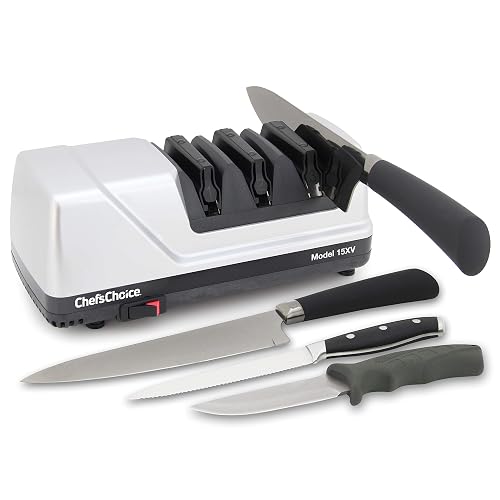
Every knife dulls, and how easily it can be sharpened is part of the buying decision. Harder steels hold an edge longer but can take more time to sharpen. Softer, simpler steels sharpen quickly but may need attention more often. Whichever knife you choose, plan on a whetstone or a reliable sharpening method. For a deeper look at the process, see our guide on How to Sharpen a Chef Knife: A Step-by-Step Guide for Home Cooks.
Good picks for this: Shun Handcrafted Japanese Kitchen Knife, Classic 6″ Chef’s Knife; Amazon Basics Classic 8-inch Full Tang Chef’s Knife
FAQ
Is a 6-inch chef knife big enough for everyday cooking?
For many home cooks, yes. A 6-inch blade handles most chopping, mincing, and slicing tasks well, especially for vegetables, herbs, and smaller proteins. It may feel short for very large produce or whole poultry. Some cooks keep a 6-inch knife for precision work alongside a longer blade for bulk prep.
What is the difference between a Shun 6-inch chef knife and a standard Western chef knife?
Shun knives are Japanese-style blades, typically made with harder core steel and often a thinner, more acute edge angle. Western chef’s knives are usually thicker and more robust. Both can work well, but Japanese-style knives generally reward careful use and regular honing. For a broader comparison, see Wüsthof Classic 8 Inch Chef Knife Review: Is It Worth It?.
Should I choose a santoku or a chef’s knife in the 6-inch range?
It depends on your cutting style. A chef’s knife with a curved edge suits rocking cuts for herbs and onions. A santoku has a flatter edge suited to push-cut work and tends to feel lighter. If you are unsure, a quick comparison in Santoku Knife vs Chef Knife (2026): Which Is Better for Home Cooks? can help clarify the trade-offs.
How often should I sharpen a 6-inch Japanese chef knife?
Frequency depends on use, cutting surface, and steel. Many owners hone their knives regularly with a fine ceramic or steel rod and sharpen on a whetstone when the edge no longer cuts cleanly. Honing every few uses and sharpening every few months is a common pattern, but adjust based on how the knife performs.
Can I put a Shun knife in the dishwasher?
Manufacturers generally advise against it. Dishwasher detergents and heat can damage the blade finish and handle, and the knife can knock against other items. Hand washing with warm water and mild soap, then drying immediately, is the standard recommendation for Japanese-style knives.
Is a budget chef knife a good starting point?
A budget knife can be a sensible first choice for learning knife skills, especially if you are not yet sure how you will use a premium blade. Full tang construction and a comfortable handle matter more than brand name alone. You can always upgrade once you know what you need.
Do I need a special cutting board for a Japanese-style knife?
A wood, plastic, or composite board is generally recommended. Glass, ceramic, and stone surfaces are hard on edges and can cause chipping. Keeping the board clean and dry also helps the knife last longer.
Conclusion
The right shun 6 inch chef knife depends on how you cook. For a refined, all-round 6-inch blade, the Shun Handcrafted Japanese Kitchen Knife is the most direct match for the search. Cooks who prep a lot of vegetables may prefer the Shun kiritsuke-profile model. Shoppers who want a longer blade for bulk work might consider the 8-inch HOSHANHO. Budget-minded buyers can look at the Amazon Basics full tang chef’s knife, while gift-givers and santoku fans may prefer the imarku options. Whichever you choose, plan on regular honing, hand washing, and a proper sharpening routine to keep the edge in good shape.
Sources
- Workplace guidance on safe handling and cutting practices (osha.gov)
- Food contact materials and safe food preparation surfaces (fda.gov)
- Food safety guidance for handling and preparing raw meat and produce (usda.gov)
Related reading
About Claire Whitaker
Claire Whitaker is part of our editorial team and reviews and edits our cookware & knives guides, checking product details against manufacturer specifications and owner feedback.