 By Emily Parker
Updated November 2026
A good nonstick pan for eggs lets you cook omelets, scrambles and fried eggs with little or no added fat, and the egg releases cleanly when it is done. The pan you choose matters, but so does how you heat it and how you treat the coating. This guide covers what to look for, how to cook eggs step by step, and the mistakes that most often ruin a nonstick surface.
What to Look for in a Nonstick Pan for Eggs
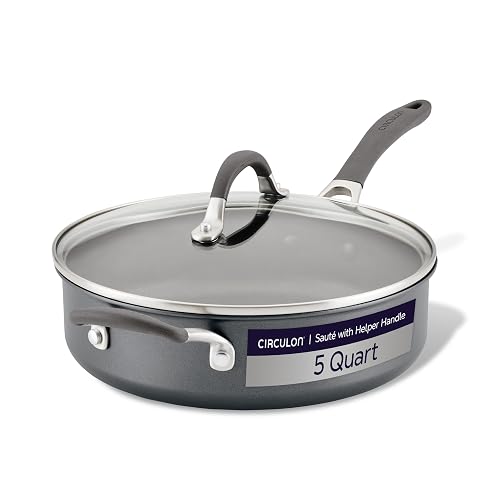
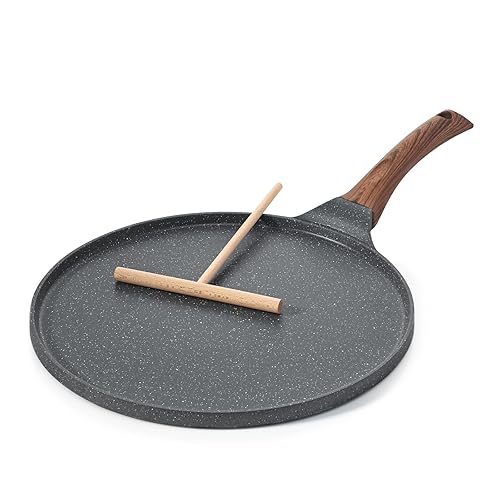
For eggs, a pan with a smooth, intact nonstick coating and a flat base matters more than anything else. An 8-inch pan suits one or two eggs, while a 10-inch pan gives you room for a three-egg omelet or a larger batch of scrambled eggs. Check that the base sits flat on your burner, since a warped pan heats unevenly and eggs stick in the hot spots. For a deeper look at coating types, see Nonstick Cookware Explained.
Shopping for one? See our guide: 7 Best Cast Iron Frying Pans (2026): Expert Picks for Every Budget.
How to Cook Eggs Without Sticking
Most egg sticking comes from skipping the preheat or using too much heat. Follow these steps for reliable results:
- Place the empty pan on medium-low heat for 2 to 3 minutes.
- Add about half a teaspoon of butter or oil and let it melt and spread across the surface.
- Crack the eggs into the pan and reduce the heat slightly if the edges start to bubble hard.
- For scrambled eggs, stir gently with a silicone or wooden utensil. For fried eggs, leave them alone until the whites set, about 2 to 3 minutes.
- Slide a silicone spatula under the egg before flipping or sliding it onto a plate.
If you want a fuller preheating method for any pan, the Pan Preheating Guide covers the technique in more detail.
Caring for Your Nonstick Surface
Keep Heat Moderate
Nonstick coatings are designed for low to medium heat. Manufacturers generally advise against leaving an empty pan on high heat, which can damage the coating and shorten its life. Medium heat handles eggs well in nearly every case.
Clean Gently
Wash the pan with warm water and a soft sponge while it is still warm, not scalding. Avoid steel wool and abrasive scrubbers. For more on keeping the surface in good shape, read Nonstick Cookware Safety and Maximizing Lifespan.
Choosing Between Nonstick and Other Pans
Nonstick is the easiest option for delicate eggs, but it is not the only one. Stainless steel and carbon steel can cook eggs well with enough fat and proper preheating, and they handle higher heat. If you are weighing the options, Choosing Between Nonstick and Stainless Steel Pans compares them side by side.
Common Mistakes
- Cooking on high heat, which can scorch eggs and wear the coating.
- Adding cooking spray in a way that builds up a sticky residue over time.
- Using metal utensils that scratch the surface.
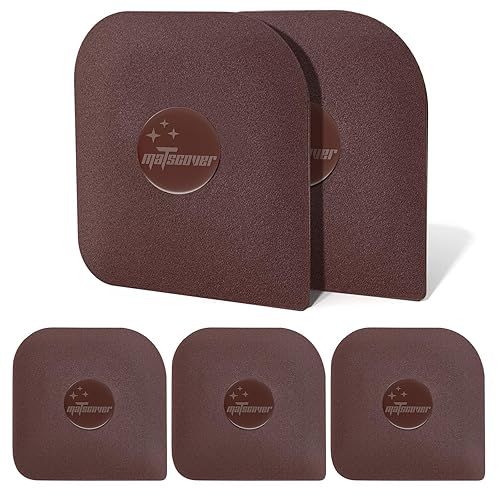
- Stacking pans without protection, which causes abrasion.
- Putting a cold pan into cold water or a hot pan into cold water, which can warp the base.
Recommended Gear
- Silicone spatula: Its soft edge slides under eggs without scratching the coating. View on Amazon
- Wooden or silicone stirring utensil: Useful for scrambling eggs gently across the pan. View on Amazon
- Pan protectors: Soft liners that keep nonstick pans from scratching when stored. View on Amazon
FAQ
Do I need to use butter or oil in a nonstick pan for eggs?
A small amount of fat improves flavor and helps eggs release, but a well-maintained nonstick pan can cook eggs with very little. Start with about half a teaspoon and adjust from there.
Why do my eggs still stick to my nonstick pan?
The most common causes are skipping the preheat, cooking on heat that is too high, or a coating that has worn or built up residue. Try cleaning the pan thoroughly and cooking on medium-low.
What size nonstick pan is best for eggs?
An 8-inch pan works well for one or two eggs, and a 10-inch pan suits omelets and larger batches. Choose the size that matches how many eggs you usually cook.
Conclusion
A nonstick pan for eggs works best when you preheat on medium-low, use a small amount of fat, and treat the coating gently. Follow the steps above and your eggs should release cleanly every time. If the surface begins to fail, consult the manufacturer’s care instructions for guidance on replacement.
Related reading
Ready to choose one?
About Emily Parker
Emily Parker is part of our editorial team and reviews and edits our cookware & knives guides, checking product details against manufacturer specifications and owner feedback.