 By Emily Parker
Updated November 2026
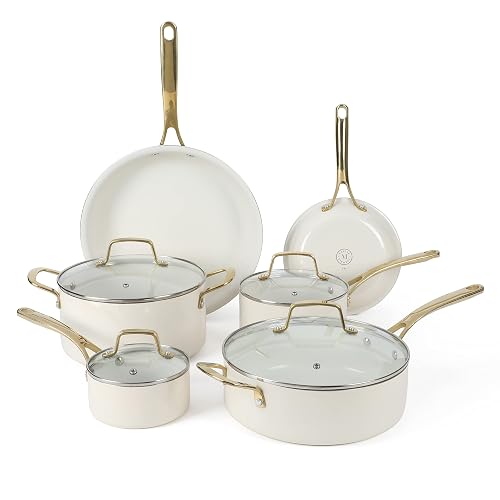
The le creuset 166-piece ultimate cookware set is a very large, multi-category kit, and it is rarely the right purchase for a home cook who only needs a dependable pan lineup. This guide explains how to check what a set of this size actually contains, how to judge whether each piece earns its place in your kitchen, and how to avoid the common traps that leave people with cabinets full of unused cookware. By the end, you will know how to evaluate the set against your own cooking habits.
First, a note on verification. Set contents change over time, and Le Creuset has issued many configurations under similar names. Before you buy, check the product listing or manufacturer’s site for the exact piece count and inventory. The method below works for any large set, so you can apply it to whatever listing you are considering.
Shopping for one? See our guide: 6 Best Le Creuset Essential Stainless Steel 10 Piece Cookware Sets (2026): Our Picks.
Start by Reading the Inventory, Not the Headline Number
A piece count is a marketing figure. A “166-piece” set can include dozens of small items that matter very little in daily cooking, such as extra lids, utensil sets, trivets, and storage accessories. Counting pieces tells you almost nothing about how useful the set will be.
Sort every item into one of three groups
- Core cooking vessels: skillets, saucepans, stockpots, sauté pans, and Dutch ovens. These do the real work.
- Useful accessories: bakeware, steamer inserts, cooking utensils, and matching lids you will actually use.
- Filler: items you already own, pieces in sizes you never use, and decorative extras.
Most of the value in a large set sits in group one. If the core vessels are not sized and shaped for how you cook, the rest of the set will not compensate.
Check the materials for each piece
Large sets often mix materials. A single set can combine enameled cast iron, stainless steel, and nonstick-coated aluminum or steel. Each behaves differently. Enameled cast iron holds heat well and suits braising, roasting, and long simmers. Stainless steel tolerates high heat and deglazes well but can stick if not preheated correctly. Nonstick coatings release eggs and delicate fish easily but should not see high dry heat or metal utensils.
Match the Set to Your Cooking Method
Before you think about any specific piece, describe how you cook on a normal weeknight. Do you sear meat, simmer sauces, bake bread, or mostly boil pasta and steam vegetables? Your answer determines which vessels matter.
| Cooking habit | Pieces that matter most | Pieces you can likely skip |
|---|---|---|
| Weeknight sautés and sears | 10 to 12 inch skillet, sauté pan with lid | Oversized roasters |
| Braises and stews | Dutch oven (5 to 7 quart), lidded braiser | Small saucepans you rarely use |
| Sauces and grains | 1 to 3 quart saucepans with tight lids | Duplicate pot sizes |
| Pasta and stock | Stockpot with strainer insert | Specialty steamers if you never steam |
| Baking | Bakeware you will use monthly | Trays for baking you never do |
Count your real burners and cabinet space
A large set is only useful if you can store and handle it. Measure your cabinet depth and check how many pans fit safely without chipping. Heavy enameled cast iron pieces can weigh more than most people expect, so consider how you will lift a full Dutch oven from a low cabinet.
Evaluate the Core Pieces One by One
Once you know your cooking habits, go through the core vessels with a simple checklist.
Step 1: Confirm the size
A 12-inch skillet and a 10-inch skillet cook very differently. A 12-inch pan holds more food and gives space for a proper sear on two pounds of chicken thighs. A 10-inch pan is easier to handle and fits smaller burners. Note the diameter and capacity in quarts for each pot.
Step 2: Check the lid fit
A lid that sits loosely lets steam escape and slows reduction. Lift each lid and confirm it seats snugly on its pot. For braising, a heavy lid that traps moisture is a feature, so check that the knob is oven-safe to the temperature you plan to use.
Step 3: Verify the cooktop compatibility
Check that each piece works on induction if you have that cooktop. Most enameled cast iron and stainless steel pieces do, but confirm the product specification. Some nonstick pieces with thin bases do not.
Step 4: Confirm oven-safe temperature limits
Manufacturers specify maximum oven temperatures for each piece, and those limits often depend on the handle and knob material. Read the care guide before you roast at high heat. For a broader look at checking this, see Cookware Set Oven Safe: How to Check Every Piece Before It Goes In.
Compare Enameled Cast Iron and Stainless Choices
Many buyers want the Le Creuset look but are unsure which material suits them. If you are weighing a stainless-focused lineup, it helps to see how other sets are built. The article Le Creuset Stainless Steel Cookware Set Review: Key Features Explained walks through construction details, and Le Creuset 10-piece Stainless Steel Cookware Set Review (2026) shows what a smaller core set looks like in practice.
If you are unsure whether you want a large set at all, a smaller foundation may serve you better. Compare the options in 5 Best Cookware Set 10 Piece Options for Home Cooks (2026) and Top 7 Made in 10-Piece Stainless Clad Cookware Set Picks for Home Cooks. A focused set can be expanded later with single pieces that fill real gaps.
Plan Your Care Routine Before You Buy
A set this large demands a consistent care routine. Enameled cast iron should be washed after it cools, dried thoroughly, and never heated empty. Stainless steel benefits from deglazing and a gentle scrub with a non-abrasive pad. Nonstick coatings need low to medium heat and soft utensils. Mixing these care needs across dozens of pieces takes discipline.
Daily care checklist
- Let pans cool for 10 to 15 minutes before rinsing, to avoid thermal shock.
- Wash with warm water and a soft sponge; use a mild dish soap.
- Dry immediately to prevent water spots on stainless and rust on exposed cast iron edges.
- Store lids separately or with paper towels between pieces to protect surfaces.
- Check manufacturer guidance on dishwasher use before loading.
Tools you will need
- Soft sponges and non-scratch scrubbers
- Wooden or silicone utensils for coated and enameled surfaces
- Stacking protectors or pan liners for storage
- A dedicated cutting board for knife work near cookware, if you use a separate knife set
Recommended gear
These accessories help you get more from a large cookware collection without damaging it.
- Pan protectors for stacking: Felt or soft fabric separators prevent scratches when pieces nest in a cabinet. View on Amazon
- Silicone-tipped cooking utensils: Soft, heat-tolerant tools keep enameled and nonstick surfaces safe during everyday use. View on Amazon
- Non-scratch scrub pads: Nylon or soft-scrub pads remove stuck-on residue without marring the cooking surface. View on Amazon
Common mistakes
- Buying for the piece count. A large set with pieces you never use is less valuable than a smaller set you cook with every day.
- Ignoring the cabinet. Stacking heavy enameled pieces without protection causes chips and dings over time.
- Overheating empty pans. Preheat gently, especially with nonstick and enameled finishes.
- Using metal utensils on coated surfaces. Even on pieces labeled durable, metal tools can scratch.
- Skipping the care guide. Each material has specific limits; reading them once saves replacement costs later.
Tips for getting the most from a large set
- Start with the three pieces you cook with most and learn their behavior before reaching for the rest.
- Season or preheat stainless steel properly so food releases without sticking.
- Use the Dutch oven for slow cooking; its heat retention is well suited to braises and no-knead bread.
- Keep a simple note of which pieces you use weekly, so you can decide later what to keep or give away.
FAQ
Is a 166-piece cookware set a good choice for beginners?
Usually not. A large set includes many pieces beginners rarely use. A smaller core set with a skillet, saucepan, and Dutch oven is typically easier to learn with, and you can add pieces as your needs become clear.
How do I know which pieces are actually included?
Check the official product listing or the manufacturer’s inventory. Piece counts and contents can differ between sellers and over time, so compare the listed items against what you see in the box.
Can everything in the set go in the dishwasher?
Check each piece’s care instructions. Many owners hand wash enameled cast iron and nonstick pieces to preserve the finish, even when dishwasher use is allowed. Follow the manufacturer’s guidance.
Are all the pieces safe for induction cooktops?
Not always. Confirm induction compatibility for each piece, particularly pans with thin or non-magnetic bases. Manufacturers specify this in the product details.
Can I use metal utensils with these pans?
Metal utensils can scratch nonstick and some enameled surfaces. Silicone, nylon, or wooden tools are the safer choice for everyday cooking.
How should I store so many pieces?
Nest pans with protectors between them, store lids upright or separately, and keep heavy pieces on lower shelves. This prevents chips and scratches.
What should I buy first if I am unsure about the full set?
Start with the skillet and Dutch oven, since these handle the widest range of cooking tasks. Add a saucepan once you know how often you make sauces and grains.
Should I consult a professional about cookware safety?
For questions about coating safety, chipped enamel, or cookware that has been overheated, consult the manufacturer’s customer support or a qualified professional before continuing to use the piece.
Conclusion
A large set like the le creuset 166-piece ultimate cookware set can be a strong investment if you cook across many methods and have the storage to match. Evaluate the core vessels first, confirm sizes, lids, and compatibility, and treat the extras as optional. Match the lineup to your real cooking habits, and a set of this size will serve you well for years.
Related reading
- Cookware Set Le Creuset Review: Is the Toughened Non-Stick PRO 13pc Worth It?
- 5 Best Le Creuset Essential Stainless Steel Cookware Set Options for 2026
- Lodge 5-Piece Cast Iron Cookware Set: 6 Best Picks Compared (2026)
Ready to choose one?
About Emily Parker
Emily Parker is part of our editorial team and reviews and edits our cookware & knives guides, checking product details against manufacturer specifications and owner feedback.