 By Claire Whitaker
Updated November 2026
Finding a good Japanese chef knife comes down to four things: the steel, the edge geometry, the handle and the overall size. Japanese-style chef knives, often called gyuto, are typically thinner and harder than many Western-style blades, which gives them a sharp, precise cutting edge but also asks more of the cook when it comes to care. This guide compares six options with different strengths, so you can match a blade to the way you actually cook. Each pick below is judged against the same criteria: blade material, hardness and edge angle as stated by the maker, handle comfort, balance and size, and the kind of feedback owners tend to report over time.
Our top picks at a glance
- 1
 TOP CHOICEBest overallHand-Sharpened 12° Edge Japanese Chef Knife 8 InchView on Amazon
- 2
 TOP CHOICEBest for giftingEmojoy 8-Inch Damascus Chef KnifeView on Amazon
- 3
 TOP CHOICEBest for premium build qualityShun Premier 8" Chef's KnifeView on Amazon
- 4
 Best for high-carbon edge retentionKimura Chef Knife, Made in Japan 8 inchView on Amazon
- 5
 Best budget pick8 Inch Japanese Damascus Chef Knife (VG10 Steel)View on Amazon
- 6
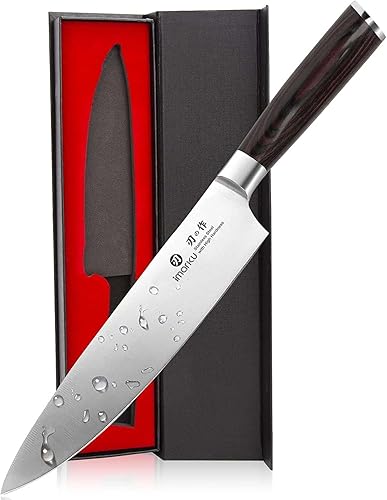 Best for a light, versatile everyday bladeimarku Japanese Chef Knife 8 InchView on Amazon
Our Top Picks
Quick Comparison
| Product | Best for | Key feature |
|---|---|---|
| Hand-Sharpened 12° Edge Japanese Chef Knife 8 Inch | Overall everyday use | Very acute 12° edge on VG10 Damascus |
| Emojoy 8-Inch Damascus Chef Knife | Gift buyers and display-minded cooks | 67-layer Japanese steel with olive wood handle |
| Shun Premier 8″ Chef’s Knife | Buyers who want a refined, well-balanced blade | VG-MAX core with Damascus cladding |
| Kimura Chef Knife, Made in Japan | Cooks who value a keen, long-lasting edge | High-carbon molybdenum stainless steel |
| 8 Inch Japanese Damascus Chef Knife (VG10) | Budget-conscious buyers | Full tang with VG10 steel and 10–12° edge |
| imarku Japanese Chef Knife 8 Inch | Lighter, general-purpose cutting | HC steel blade with a gift-ready package |
Hand-Sharpened 12° Edge Japanese Chef Knife 8 Inch
Hand-Sharpened 12° Edge, Razor Sharp Kitchen Knife, For Home Kitchen & Professional Restaurant, Resin Wood Handle, Gift Box Japanese Chef Knife 8 Inch, Handcrafted with Damascus VG10 Steel
Best for: Overall everyday use
This knife suits home cooks who want a sharp, precise Japanese-style chef knife for daily prep, from vegetables and herbs to boneless proteins. The listing describes a hand-sharpened edge at about 12 degrees per side, which is a steep angle that favors slicing and fine work.
Key specs
- Blade: 8 inches, VG10 Damascus steel
- Edge: hand-sharpened, approximately 12° per side
- Handle: resin-wood composite
- Supplied in a gift box
Pros
- Acute edge slices cleanly through soft produce and herbs
- VG10 steel is a widely used core steel for Japanese knives
- Resin-wood handle is generally easier to keep clean than untreated wood
Cons
- Thin, acute edges can chip if used on bones or frozen foods
- Requires regular honing and occasional sharpening to stay at its best
Bottom line: A strong first Japanese chef knife for a cook who wants precision and is willing to hone the blade regularly.
Emojoy 8-Inch Damascus Chef Knife
Premium Damascus Kitchen Knife, Hand-Forged Japanese Steel Blade, Original Olive Wood Handle, Wooden Box, Ideal Gift for Home Emojoy 8-Inch Damascus Chef Knife, 67-Layer Japan Steel, Olive Wood Handle
Best for: Gift buyers and display-minded cooks
This blade is aimed at people who like the look of layered Damascus steel and a natural olive wood handle. It works well as a gift for a home cook who is moving up from a basic knife set.
Key specs
- Blade: 8 inches, 67-layer Japanese Damascus steel
- Handle: olive wood
- Supplied with a wooden box
Pros
- Attractive layered pattern and presentation-ready packaging
- Olive wood handle feels warm and natural in the hand
- Good general-purpose profile for chopping and slicing
Cons
- Wood handles need occasional oiling and must not be left in water
- Edge maintenance details are less specific than some premium alternatives
Bottom line: Best for someone who values appearance and gifting as much as cutting performance, and who is comfortable maintaining a wood handle.
Shun Premier 8″ Chef’s Knife
Handcrafted Japanese Kitchen Knife, VG-MAX Core, Damascus Stainless Steel Cladding, Pakkawood Handle Shun Premier 8" Chef's Knife
Best for: Buyers who want a refined, well-balanced blade
Shun is one of the most recognized names in Japanese cutlery in the US market. This model is for cooks who want a established brand, a balanced feel and a blade built around a hard core with softer cladding on either side.
Key specs
- Blade: 8 inches, VG-MAX core with Damascus stainless cladding
- Handle: Pakkawood
- Hand-crafted in Japan per manufacturer description
Pros
- Established brand with a long track record in Japanese knives
- VG-MAX core is designed for hardness and edge retention
- Pakkawood handle is durable and resists moisture better than plain wood
Cons
- Premium pricing tier makes it less suitable for a first knife
- Hard, thin edge still requires careful use and honing
Bottom line: A good choice for a cook ready to invest in a long-term knife from a brand with a strong reputation.
Kimura Chef Knife, Made in Japan 8 inch
Kimura Chef Knife, [Made in Japan], 8 inch Professional Kitchen Knife, Ultra Sharp High Carbon Molybdenum Stainless Steel Gyuto Knife, Chefs Knife with Ergonomic Handle – Japanese Chef's Knife
Best for: Cooks who value a keen, long-lasting edge
This gyuto-style blade uses a high-carbon molybdenum stainless steel, a combination intended to balance edge sharpness with easier maintenance than pure high-carbon steel. It suits cooks who want a fine edge without the reactivity of plain carbon blades.
Key specs
- Blade: 8 inches, high-carbon molybdenum stainless steel
- Style: gyuto (Japanese chef’s knife)
- Handle: ergonomic, designed for a secure grip
Pros
- Stainless-type steel resists rust better than plain high-carbon blades
- Ultra-sharp edge suited to fine slicing
- Ergonomic handle supports longer prep sessions
Cons
- Harder steel can be more prone to chipping if misused
- Sharpening needs a proper whetstone or professional service
Bottom line: Ideal for a cook who wants a sharp, low-maintenance steel and is comfortable using stones or a professional sharpener.
8 Inch Japanese Damascus Chef Knife (VG10 Steel)
10-12 Degree Edge 67 Layers Kitchen Cooking Knives for Meat, Vegetable Fruit, Full Tang, Camping BBQ Gifts for Men 8 Inch Japanese Damascus Chef Knife – Ultra Sharp VG10 Steel
Best for: Budget-conscious buyers
This is a budget pick for someone who wants the look and feel of a Japanese-style Damascus blade without moving into the premium tier. It is a sensible starting point for a home cook who is still learning how a thin, hard blade behaves.
Key specs
- Blade: 8 inches, VG10 steel with 67-layer Damascus cladding
- Edge: listed at 10–12 degrees per side
- Construction: full tang
Pros
- Full tang construction adds balance and strength
- VG10 core is a familiar, well-regarded Japanese steel
- Accessible entry point into Japanese-style blades
Cons
- Fit and finish may not match higher-end models in detail
- Owners often report needing to hone it regularly to keep the edge sharp
Bottom line: A practical choice for a cook who wants to try a Japanese chef knife without a large commitment.
imarku Japanese Chef Knife 8 Inch
Chef's Knives HC Steel Paring Knife, Unique Gifts for Men and Women, Kitchen Gadgets with Gift Box, Gyutou Knives imarku Japanese Chef Knife-Sharp Kitchen Knife 8 Inch, Gift for Mom & Dad
Best for: Lighter, general-purpose cutting
This 8-inch Japanese-style chef knife with an HC steel blade is a good all-around option for people who want a manageable, easy-to-handle knife for everyday tasks. Its lighter feel can appeal to cooks with smaller hands or those who prefer a nimble blade.
Key specs
- Blade: 8 inches, HC (high-carbon) steel
- Style: gyutou-style chef knife
- Packaged with a gift box
Pros
- Lighter weight suits precise, repetitive cutting
- Gift-ready packaging is convenient for presents
- Versatile profile for vegetables, herbs and proteins
Cons
- High-carbon steel needs drying after washing to prevent spotting
- Edge retention is generally shorter than premium steels
Bottom line: A good pick for a cook who wants a light, nimble Japanese-style knife for daily use and is willing to dry it promptly after each wash.
Buying Guide
Blade steel and hardness
Steel determines how sharp a knife gets, how long it holds an edge and how much care it needs. VG10 and VG-MAX are stainless-clad cores often used in Japanese knives for hardness and sharpness. High-carbon steels can take a very fine edge but may stain or react with acidic foods. Stainless-type steels, including molybdenum-alloyed blends, trade a little edge sharpness for easier upkeep.
Good picks for this: Shun Premier 8″ Chef’s Knife, Kimura Chef Knife, Made in Japan 8 inch
Edge angle
Japanese knives are often ground to a more acute angle than many Western knives, commonly listed around 10 to 15 degrees per side. A narrower angle slices more easily but can be more fragile. If you cut bones, frozen foods or hard squash regularly, a slightly more robust edge may suit you better.
Good picks for this: Hand-Sharpened 12° Edge Japanese Chef Knife 8 Inch, 8 Inch Japanese Damascus Chef Knife (VG10 Steel)
Blade length and size fit
An 8-inch blade is the most common size for a general-purpose chef knife. It offers enough length for medium-sized onions and herbs while staying manageable on a standard cutting board. Check your board size and hand size before buying, since a longer blade may feel awkward for smaller cooks.
Good picks for this: imarku Japanese Chef Knife 8 Inch, Emojoy 8-Inch Damascus Chef Knife
Handle material and comfort
Handles range from resin-wood composites and Pakkawood to natural olive wood. Pakkawood and resin composites handle moisture better than untreated wood. Olive wood looks striking but benefits from occasional oiling and should never soak in water. Pick the material that matches how carefully you can maintain it.
Good picks for this: Shun Premier 8″ Chef’s Knife, Hand-Sharpened 12° Edge Japanese Chef Knife 8 Inch
Balance and weight
Balance affects how the knife feels during extended chopping. Some Japanese knives are lighter and tip-heavy; others feel more evenly weighted. Hold the knife before buying if you can, and note how it feels across the bolster and handle. Lighter blades tire the wrist less during long prep sessions.
Good picks for this: imarku Japanese Chef Knife 8 Inch, Kimura Chef Knife, Made in Japan 8 inch
Durability and maintenance
Thin, hard blades require honing with a ceramic or steel rod and periodic sharpening on a whetstone. Expect to keep a sharpening routine rather than relying on a pull-through sharpener alone. Hand-washing, thorough drying and storage on a magnetic strip or in a sheath all help protect the edge and the finish.
Good picks for this: 8 Inch Japanese Damascus Chef Knife (VG10 Steel), Hand-Sharpened 12° Edge Japanese Chef Knife 8 Inch
Your cooking style
Decide what you cut most often. If you mostly slice vegetables and herbs, a thin, acute edge serves you well. If you process tougher ingredients, consider a sturdier blade and reserve delicate cutting for another knife. Matching the knife to your routine matters more than chasing the sharpest option on paper.
Good picks for this: Emojoy 8-Inch Damascus Chef Knife, Shun Premier 8″ Chef’s Knife
FAQ
What makes a Japanese chef knife different from a Western one?
Japanese chef knives are often thinner, harder and ground to a more acute edge angle. This makes them very sharp for slicing and fine work, but they can be less tolerant of rough use such as prying or cutting through bone.
Is an 8-inch blade the right size for most home cooks?
For most people, yes. An 8-inch chef knife covers general prep well. Smaller cooks sometimes prefer a shorter blade, and those who cut large quantities may choose a longer one.
How often should I sharpen a Japanese chef knife?
Hone the blade regularly, often as frequently as every few uses, to keep the edge aligned. Sharpen on a whetstone when honing no longer restores cutting performance. Frequency depends on how often you cook and what you cut.
Can I put a Japanese chef knife in the dishwasher?
Manufacturers generally advise hand-washing. Dishwashers can damage edges and handles, especially wood or composite handles, so washing by hand and drying immediately is the safer habit.
Is Damascus steel better than plain steel?
Damascus refers to layered steel that is largely about appearance and, in some designs, adds toughness to the cladding. The core steel matters more for sharpness and edge retention, so check the core alloy as well as the pattern.
Do I need a whetstone to maintain a Japanese knife?
Not always, but a whetstone gives you the most control over the edge. Many owners pair a honing rod for routine upkeep with occasional stone sharpening or a professional service.
Are wood handles safe for everyday use?
Wood handles can be used daily if you keep them dry, avoid soaking, and oil them occasionally. Composite and Pakkawood handles are more tolerant of moisture.
Conclusion
For most home cooks, the Hand-Sharpened 12° Edge Japanese Chef Knife is a strong all-around choice, while the Shun Premier suits buyers who want an established brand and a refined feel. Choose the Kimura if low-maintenance steel matters most, the Emojoy if you are buying a gift, the budget Damascus VG10 model if you are starting out, and the imarku if you want a lighter everyday blade. Whichever you pick, match the steel, edge and handle to how you cook and how you care for your tools.
Sources
- Workplace knife and cutting tool safety guidance relevant to safe handling and storage (osha.gov)
- Food safety recommendations for cleaning and sanitizing food-contact utensils and surfaces (fda.gov)
- Guidance on safe food handling and preparation at home (usda.gov)
Related reading
- Zwilling Ja Henckels Chef Knife: A Practical Guide (2026)
- Victorinox Knives Chef Knife: How to Choose the Right One (Guide)
- Victorinox Knife Chef Knife: A Practical Guide (2026)
About Claire Whitaker
Claire Whitaker is part of our editorial team and reviews and edits our cookware & knives guides, checking product details against manufacturer specifications and owner feedback.