By Emily Parker
Updated November 2026
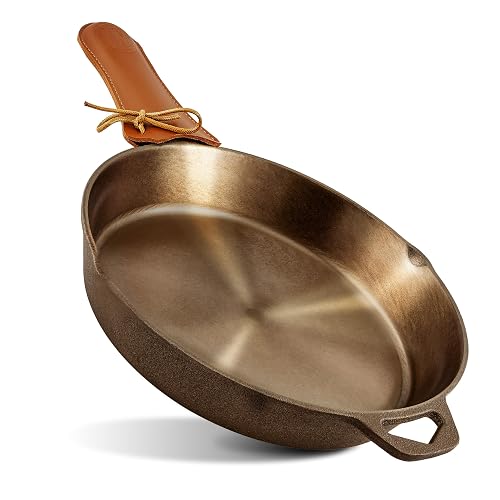
A le creuset cast iron skillet pan is a heavy, enameled piece of cookware that holds heat evenly, sears well and can go from stovetop to oven without trouble. In this guide, you will learn how to pick the right size and finish, prepare the pan for first use, cook with it safely and keep the enamel and interior in good shape for decades. Le Creuset is known mainly for its enameled cast iron, so the care routine differs in some ways from bare cast iron, and those differences are where most mistakes happen.
What Makes a Le Creuset Cast Iron Skillet Different
Most cast iron skillets are bare iron that relies on a layer of polymerized oil, called seasoning, to stay nonstick. A le creuset cast iron skillet pan instead has a porcelain enamel coating fused to the iron. That coating does not need seasoning, does not rust in the same way and does not react with acidic foods like tomato sauce or wine. The tradeoff is that enamel can chip, and the surface is generally less slick than a well-seasoned bare pan at first.
Shopping for one? See our guide: 7 Best Cast Iron Skillet Pan Sets for Home Cooks (2026).
Manufacturers specify that their enameled interiors are designed for everyday cooking with a moderate amount of fat. Owners often report that food releases well after a few uses, but the enamel is not truly nonstick in the way a fluoropolymer coating is. If you want to understand the differences in more depth, the article Creuset Cast Iron Skillet: Buying, Using and Caring for Yours walks through the design choices and what they mean at the stove.
Choosing the Right Size and Finish
Le Creuset sells its skillets in several diameters, and the most common choices for home cooks are around 10 inches and 12 inches. A 10-inch pan suits two to three servings, single-pan dinners and pan sauces. A 12-inch pan handles four servings, larger cuts of meat and anything that needs room for browning without crowding. Keep in mind that a heavier pan is harder to lift one-handed, so think about how you will move it from stove to oven.
Finish matters too. Interior colors and textures vary by line, and some lines have a lighter interior that makes it easier to judge fond and browning. Check whether the handle is a single long handle or includes a helper handle opposite it. A helper handle makes a large skillet much easier to carry.
Weight and handling checklist
- Lift the pan with one hand before buying to see if you can control it comfortably.
- Confirm the handle clears your oven rack and the oven door when the pan is in the oven.
- Check the maximum oven temperature listed by the manufacturer, which is often lower than bare cast iron.
- Decide whether you need a lid or whether you will use a separate one.
Preparing the Pan for First Use
Unlike bare cast iron, a le creuset cast iron skillet pan does not need to be seasoned before cooking. Manufacturers typically recommend washing the new pan with warm water and mild dish soap to remove any factory residue, rinsing thoroughly and drying it completely. Then you can start cooking.
Step-by-step first-use routine
- Remove any stickers and packaging residue with warm water. A plastic scraper helps with stubborn adhesive.
- Wash with a soft sponge and mild dish soap. Rinse well.
- Dry immediately with a towel, then place the pan on a burner over low heat for two to three minutes to drive off any remaining moisture.
- Add a small amount of cooking oil and wipe it lightly across the interior to build a thin coat of fat, which many owners find helps food release at first.
Cooking Techniques That Work Well
Heavy enameled iron retains heat extremely well, so it rewards patience. Preheat the pan over medium heat for three to five minutes before adding fat or food. Add oil only after the pan is hot, and let it shimmer before adding protein. Sear meats without moving them for the first two to three minutes, then flip. Avoid very high heat on an empty pan, since the enamel can be damaged by thermal shock.
Pan sauces are a strong fit for this type of skillet. After searing, pour off excess fat, deglaze with wine or stock and scrape the fond. Acidic liquids are safe in enamel, which is one of the main reasons people choose this type of pan over bare iron. For more on building flavor from the bottom of the pan, see How to Season Cast Iron Skillet: 6 Steps for a Slick, Durable Pan, which explains how the fat and heat interact in iron cookware.
Temperature guidelines
| Task | Suggested heat | Why |
|---|---|---|
| Preheating an empty pan | Low to medium | Avoids thermal stress on the enamel |
| Searing meat | Medium to medium-high | Builds a crust without burning fat |
| Simmering sauces | Low to medium | Even heat prevents scorching |
| Oven finishing | Follow manufacturer maximum | Enamel tolerance is lower than bare iron |
Cleaning and Daily Care
Clean the pan after it has cooled to warm, not hot. Plunging a hot enameled pan into cold water can cause cracking. Wash with warm water and a non-abrasive sponge. For stuck-on food, fill the pan with water, bring it to a simmer and scrape gently with a wooden or silicone utensil. Dry thoroughly before storing, since trapped moisture can dull the finish over time.
Avoid steel wool, abrasive scouring pads and harsh oven cleaners on the enamel. Dishwashers are generally not recommended by manufacturers, because detergents and long cycles can dull the surface.
Daily care steps
- Let the pan cool until warm to the touch.
- Wash with warm water, mild soap and a soft sponge.
- For stains, make a paste of baking soda and water and rub gently.
- Rinse, dry completely and store with a paper towel between the pan and any other cookware to prevent scratches.
Common Mistakes
- Overheating an empty pan. This is the fastest way to stress the enamel and possibly cause chipping. Add fat or food first.
- Cooling it too quickly. Running cold water over a hot pan can crack the enamel.
- Using metal utensils aggressively. Scraping with sharp metal can scratch the surface. Silicone, nylon or wood is safer.
- Stacking without protection. Pans rubbing together can chip rims and interiors.
- Ignoring the oven limit. Check the manufacturer’s stated maximum temperature before broiling or roasting at high heat.
- Expecting bare-iron behavior. The enamel does not need seasoning, so do not follow bare-iron seasoning routines on it.
Tips for Getting More Years Out of Your Pan
- Use a moderate amount of fat, not a thick layer, to keep the interior looking clean.
- Keep a dedicated set of nylon or silicone tools for the pan.
- Store it in a spot where it will not be bumped or dropped, since impacts are the main cause of chips.
- If you notice dull patches, a gentle polish with a cookware-safe cleaner can help, but check the manufacturer’s instructions first.
Recommended gear
- Silicone-tipped tongs protect enamel while flipping meat. View on Amazon
- Nylon or silicone spatula lets you scrape fond without marring the interior. View on Amazon
- Felt or paper pan protectors prevent scratches when pans are stacked. View on Amazon
- Instant-read thermometer helps you hit safe internal temperatures without guessing. View on Amazon
FAQ
Do I need to season a le creuset cast iron skillet pan?
No. The enamel coating is already nonstick-ready and does not rely on oil polymerization. Manufacturers generally advise against following bare-iron seasoning routines on enameled pieces.
Can I use metal utensils on it?
Metal utensils can scratch or chip the enamel, especially at the edges. Silicone, nylon or wood tools are the safer choice for everyday use.
Is it safe to cook tomato sauce in it?
Yes. Enamel is non-reactive, so acidic foods such as tomato, wine and citrus do not pick up a metallic taste the way they can with bare iron.
Can it go in the dishwasher?
Manufacturers commonly recommend hand washing. Harsh detergents and long cycles can dull the finish over time.
Why is my pan sticking?
Sticking usually means the pan was not preheated enough, the food was added too soon or there was not enough fat. Let the pan heat for a few minutes and allow proteins to release naturally before moving them.
What should I do if the enamel chips?
Small chips on the exterior rarely affect cooking. Chips on the cooking surface should be checked, and if the iron is exposed, stop using the pan on that surface and contact the manufacturer for guidance on repair or replacement options.
Can I use it on an induction cooktop?
Cast iron is induction-compatible because of its iron content, so most enameled cast iron skillets work on induction. Confirm with the specific product’s documentation before buying.
Conclusion
A le creuset cast iron skillet pan rewards careful use with even heat, reliable searing and easy cleanup once you understand its enamel finish. Choose a size that matches your cooking, skip the seasoning routine that bare iron requires and avoid thermal shock and metal utensils. With those habits, the pan can remain a daily workhorse for many years. For guidance on a specific repair or concern, consult the manufacturer or a qualified cookware technician.
Related reading
- Rust Remover for Cast Iron Skillet: A Step-by-Step Guide to Restore Rusty Pans
- Cast Iron Skillet Wagner: How to Choose, Season and Care for a Wagner Pan
Ready to choose one?
About Emily Parker
Emily Parker is part of our editorial team and reviews and edits our cookware & knives guides, checking product details against manufacturer specifications and owner feedback.