 By Emily Parker
Updated November 2026
The greenpan jewel pro 11-piece cookware set is a ceramic nonstick collection built for everyday cooking, and this guide walks you through what is included, how each piece is meant to be used, and how to keep the coating performing well over time. By the end, you will know which pan to reach for at each stage of a meal, how to heat and oil the surface correctly, and which habits shorten the life of ceramic nonstick. Read on if you are deciding whether this set fits your kitchen or you already own one and want better results.
What Comes in the GreenPan Jewel Pro 11-Piece Set
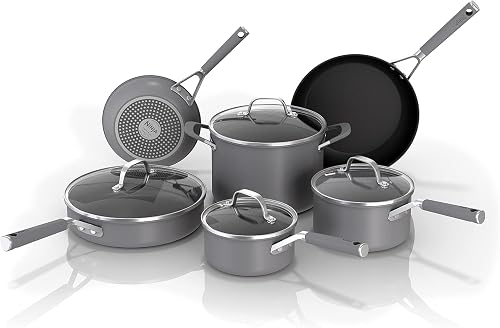
An 11-piece set typically combines open skillets, deeper saucepans, and a stockpot with lids, giving you coverage for eggs, sautés, sauces, and pasta without buying pieces separately. Before you cook, lay everything out and confirm the count against the box, because sets are sometimes sold with different lid configurations.
Manufacturers generally describe ceramic nonstick sets like this one as built around a sol-gel ceramic coating over aluminum, which is why they heat quickly and respond fast to changes in burner setting. Check your packaging for the exact pan sizes and whether the lids are glass or metal, since that affects how you monitor cooking and how you store the pieces.
Quick inventory checklist
- Skillets in at least two sizes (small for eggs, larger for sautés and searing)
- Saucepans with lids for grains, sauces, and vegetables
- A stockpot with lid for pasta and soups
- Matching lids that fit each pan snugly
- Any included utensils, trivets, or protective pan liners
Step 1: Prepare the Pans Before the First Use
Wash each piece in warm water with a mild dish soap and a soft sponge. Remove any manufacturing residue or stickers, then dry thoroughly. Most manufacturers recommend a light coating of cooking oil on the cooking surface before the first use, which helps the nonstick layer perform evenly from the start.
- Wash all pieces in warm, soapy water and rinse.
- Dry completely with a soft towel.
- Wipe a thin layer of neutral oil, such as canola or grapeseed, across the cooking surface with a paper towel.
- Heat the empty pan on low for one to two minutes, then wipe away the excess oil.
Step 2: Match Each Pan to the Right Task
Using the right size prevents overcrowding, uneven heating, and scorched food. The table below gives general guidance for matching pieces to common jobs. Confirm exact dimensions against your own set, since sizes vary between product lines.
| Task | Best Piece Type | Notes |
|---|---|---|
| Fried or scrambled eggs | Smallest skillet | Keeps eggs thick and easy to flip |
| Searing chicken or fish | Medium to large skillet | Leave room between pieces |
| Rice, quinoa, oatmeal | Saucepan with lid | Covered cooking holds steam |
| Pasta or soup | Stockpot | Fill no more than two-thirds full |
| Sauces and reductions | Smaller saucepan | Stir often to prevent sticking at the edges |
Step 3: Control Heat Correctly
Ceramic nonstick performs best at low to medium heat. High heat is the most common reason coatings degrade early. As a working rule, start on medium-low, let the pan warm for a minute or two, and raise the heat only if the food needs more browning. Do not preheat an empty pan on high, and never leave a pan unattended over a burner.
Heat-up sequence
- Place the pan on the burner and set it to low or medium-low.
- Add a small amount of oil or butter once the pan is warm.
- Add food only when the oil moves easily across the surface.
- Adjust the burner up or down as needed during cooking.
Step 4: Use Utensils and Oils That Protect the Coating
Choose silicone, nylon, or wooden utensils. Metal tools can scratch the ceramic surface, and each scratch is a potential starting point for flaking. For oils, moderate-smoke-point options like avocado or light olive oil work well at medium heat. Avoid aerosol cooking sprays, because many leave a residue that bonds to the coating and reduces slickness over time.
Step 5: Clean and Store the Set Properly
Let pans cool for several minutes before washing, since running cold water over a hot pan can cause thermal stress. Wash with warm water and a soft sponge. Dishwasher use is often allowed by manufacturers, but hand washing usually extends coating life. For stubborn residue, soak the pan in warm, soapy water for ten to fifteen minutes rather than scrubbing hard.
When stacking pieces, place a paper towel or felt pad between them to prevent scratches. Store lids separately if possible, or set them upright so the rims are not pressed against the cooking surfaces.
Common Mistakes to Avoid
- Cooking on high heat, which shortens coating life.
- Using metal spatulas or steel wool.
- Stacking pans without protection.
- Relying on aerosol sprays, which can leave a sticky film.
- Overfilling the stockpot or crowding skillets, which causes uneven cooking.
- Plunging a hot pan into cold water.
Tips for Getting the Most From the Set
- Use the smallest pan that fits your recipe to keep oil and heat concentrated.
- Let meat release naturally from the surface before trying to flip it.
- Keep a dedicated set of soft tools for nonstick pans only.
- Note when a pan starts to lose slickness and reassess your heat and cleaning habits before replacing it.
Recommended Gear
These items support everyday use and care of a ceramic nonstick set.
- Silicone cooking utensil set: Soft tools protect the coating from scratches while you stir and flip. View on Amazon
- Pan protectors or felt separators: These sit between stacked pans to prevent surface abrasion during storage. View on Amazon
- Neutral cooking oil in a pump bottle: A controlled, residue-free way to oil the surface without aerosol buildup. View on Amazon
For more background on choosing and comparing sets, see 5 Best GreenPan Valencia Pro Ceramic Nonstick Cookware Set Options (2026) and 7 Best Greenpan Valencia Pro Ceramic Nonstick 11-piece Cookware Sets (2026): Our Picks. If you are also weighing other ceramic and nonstick options, Henckels Paradigm Ceramic 11-Piece Cookware Set: 6 Best Options Compared offers a useful comparison, and Cookware Set Oven Safe: How to Check Every Piece Before It Goes In explains how to confirm whether a piece can go in the oven.
FAQ
Is the GreenPan Jewel Pro 11-piece set dishwasher safe?
Many ceramic nonstick sets are labeled dishwasher safe by their manufacturers, but hand washing with warm water and a soft sponge generally preserves the coating longer. Check the care instructions printed on your packaging for the exact guidance.
Can I use metal utensils with this cookware?
Manufacturers usually recommend silicone, nylon, or wood. Metal can scratch the ceramic surface, which may reduce nonstick performance over time.
Do I need to oil the pan every time I cook?
A small amount of oil or butter improves release and flavor, even with nonstick surfaces. Cooking very lean foods like eggs may need only a light film.
What heat setting should I use?
Low to medium heat is the safest range for ceramic nonstick. Reserve medium-high for brief tasks and avoid preheating an empty pan on high.
Why is my pan losing its nonstick quality?
Common causes include high heat, aerosol sprays leaving residue, metal utensils, and abrasive scrubbing. Adjusting these habits often helps, but consult the manufacturer if performance drops sharply.
Is the set safe to use in the oven?
Oven safety depends on the handles and lids, not just the pan body. Check the manufacturer’s temperature limit for each piece before placing it in the oven.
How long should ceramic nonstick cookware last?
Lifespan varies widely with use and care. Owners often report that gentle handling extends performance considerably, but no fixed timeline applies to every household.
Can I cook acidic foods in ceramic nonstick pans?
Short cooking times with tomatoes or citrus are generally fine. Prolonged simmering of highly acidic sauces may affect the surface, so monitor and clean promptly afterward.
Conclusion
The greenpan jewel pro 11-piece cookware set rewards careful use: medium heat, soft utensils, and gentle cleaning go a long way toward keeping the coating working. Prepare each piece before the first use, match pan size to the task, and store them with protection between stacks. Following these habits will help the set perform well across your everyday cooking.
Related reading
Ready to choose one?
About Emily Parker
Emily Parker is part of our editorial team and reviews and edits our cookware & knives guides, checking product details against manufacturer specifications and owner feedback.