By Wyatt Garrett
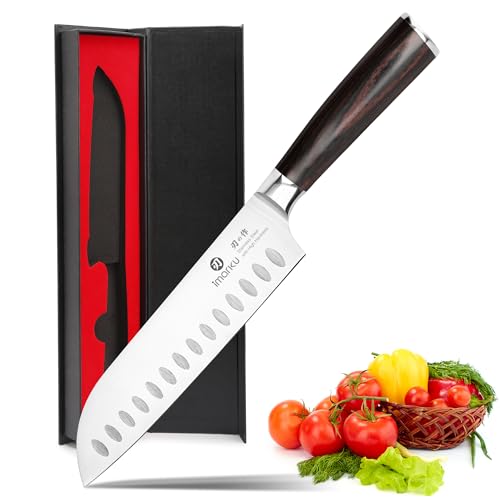
A chef knife is a versatile, all-purpose kitchen knife with a broad, slightly curved blade, typically 6 to 10 inches long, used for chopping, slicing, dicing and mincing most vegetables, herbs, meats and boneless proteins. Its tall blade and gently curved edge let you rock the knife on the cutting board, so it handles nearly every prep task in a home kitchen.
The definition of chef knife is simple on paper, but the details matter. The blade shape, the steel, the balance and the grind all affect how the knife feels and performs. Understanding these basics will help you read product descriptions, choose a good first knife and use it safely.
Shopping for one? See our guide: Santoku Knife vs Chef Knife (2026): Which Is Better for Home Cooks?.
Why the Chef Knife Is Called the “All-Purpose” Knife
Most home cooks rely on one knife more than any other, and the chef knife is usually that knife. Its shape is built around a broad range of motions. The tip handles fine work such as scoring or cutting herbs, the belly of the blade handles rocking cuts through onions and cabbage, and the heel can power through squash, winter melon or thick root vegetables.
The long, flat section of the edge also lets you slice in a single pull, which is useful for tomatoes, cooked meats and bread-shaped loaves. Few other knife types cover this many tasks without changing tools.
The Main Factors That Define a Chef Knife
Several features separate a chef knife from other blades. Knowing them makes it easier to judge a knife before you buy it.
- Blade length: Most chef knives run 8 inches, though 6-inch and 10-inch versions are common. Shorter blades suit smaller hands and tight spaces, while longer blades cover more ground per stroke.
- Blade profile: The curve from heel to tip, often called the belly, is what allows rocking. A pronounced belly favors rocking; a flatter profile favors push-and-pull slicing.
- Spine and height: The spine is the unsharpened top edge. A thicker spine adds strength, while a tall blade gives knuckle clearance and a stable base for a bench scraper-style transfer of food.
- Steel: Stainless steel resists rust and needs little maintenance. Carbon steel holds a sharper edge but can discolor and rust if left wet. Many modern knives use stainless alloys designed to balance the two. See Knife Steel Types Explained: Stainless, Carbon and Powder Steels for a deeper comparison.
- Grind and edge angle: The grind determines how the blade thins toward the edge. Thinner grinds slice more easily, while thicker grinds add durability. Edge geometry is covered in Knife Edge Geometry: Grinds, Bevels, and Cutting Styles.
- Balance: Where the weight sits, usually near the bolster or the heel, affects control. A balanced knife feels steady in the hand rather than pulling toward the tip or handle.
- Handle: Handle shape and material influence grip comfort and hygiene. Options include wood, composite and stabilized materials, discussed in Kitchen Knife Handle Materials: Comfort and Durability.
How to Evaluate a Chef Knife Before You Buy
When you pick up a chef knife, hold it at the bolster, where blade meets handle, using a pinch grip with your thumb and index finger. Rock it gently. It should feel stable, not top-heavy. Make a few test cuts in the air to see whether the blade height and belly suit your hand size and cutting style.
For a first knife, most people do well with an 8-inch blade. If you cook in a small kitchen or have smaller hands, a 6- to 7-inch model may feel more natural. If you cut large squash or work with whole cabbages, a longer blade reduces the number of strokes you need.
What to Do Once You Own One
A chef knife is only as useful as its edge, and it needs regular care to stay effective. Hone the blade on a honing rod before most cooking sessions to realign the edge, and sharpen it when honing no longer restores a clean cut. The difference between honing and sharpening is explained in Knife Sharpening vs Honing.
Store the knife on a magnetic strip or in a block rather than tossing it into a drawer, where the edge can chip. Wash and dry it by hand. Dishwashers can dull the blade and damage the handle.
- Use a stable cutting board made of wood, bamboo or plastic. Avoid glass and stone, which dull edges quickly.
- Keep your fingertips curled under, with knuckles guiding the blade.
- Hone the edge before each major prep session.
- Dry the blade immediately after washing and store it safely.
- Sharpen the knife on a whetstone or guided system when it no longer slices paper-thin tomato skin.
Common Misconceptions About the Chef Knife
Some people assume a chef knife is only for professional cooks or that the longest blade is always the best. In practice, the right size depends on the work you do most. Another myth is that a more expensive knife is automatically sharper. Edge retention depends largely on steel, heat treatment and how well the knife is maintained. For a broader comparison with other blades, see Santoku vs Chef’s Knife and Chef’s Knife Buying Guide.
Practical Tips for Choosing Your First Chef Knife
- Start with an 8-inch blade unless your hands or workspace suggest otherwise.
- Choose stainless steel if you want low maintenance; choose carbon steel if you enjoy regular upkeep for a sharper edge.
- Hold the knife before buying if you can, and check that it feels balanced at the bolster.
- Plan for a honing rod and a sharpening method from the start.
- Compare options with Chef or Santoku Knife: Which Should You Choose? if you are still deciding between shapes.
What We’d Use
A solid starter setup is a single 8-inch stainless chef knife, a honing rod and a basic whetstone or guided sharpener. For sharpening options, review Best Knife Sharpeners and How to Choose Home Knife Sharpening Tools to match your skill level.
Look for a stainless 8-inch chef knife with a full tang and a comfortable handle: View on Amazon
A ceramic or steel honing rod keeps the edge aligned between sharpenings: View on Amazon
A two-sided whetstone is a practical choice for periodic sharpening: View on Amazon
Related Questions
What is the difference between a chef knife and a santoku?
A chef knife usually has a more pronounced belly for rocking, while a santoku has a flatter edge and a shorter, sheep’s-foot-style tip suited to push cuts. Both handle most home prep. Compare them in Santoku Knife vs Chef Knife (2026): Which Is Better for Home Cooks?
How long should a chef knife be for home use?
Most home cooks do well with 8 inches. Choose 6 to 7 inches for smaller hands or tight spaces, and 10 inches if you regularly process large produce.
Can I use a chef knife for bread?
A chef knife can cut bread, but a serrated blade is better for crusty loaves. For technique, see How to Slice Bread Properly with a Serrated Knife.
How often should I sharpen a chef knife?
It depends on use, steel and cutting surface. Many home cooks sharpen every few months and hone weekly or before major prep. Check the edge by slicing a tomato; if the skin resists, it is time to sharpen.
Is a chef knife safe to store in a drawer?
Drawers risk chipping the edge and cutting the user. A block, magnetic strip or protective sheath is safer. Review Knife Storage Guide for options.
Related reading
Ready to choose one?

About Wyatt Garrett
Wyatt covers cookware & knives, comparing specs, features and long-term owner feedback to help readers choose with confidence.