As an Amazon Associate we earn from qualifying purchases. This page may contain affiliate links.
To clean a cast iron skillet, scrape off food while the pan is still warm, rinse with hot water, scrub with a stiff brush or chainmail scrubber, dry it completely on the stove, and wipe on a thin layer of oil. Done correctly, this takes about five minutes and keeps the seasoning, the slick, baked-on coating that makes cast iron work, in good shape. This guide walks through each step, explains which shortcuts cause problems, and answers the questions home cooks ask most often about how do you clean a cast iron skillet.
Why Cast Iron Cleaning Works Differently
Most cookware is cleaned to remove everything from the surface. With cast iron, the goal is different. The pan’s nonstick quality comes from seasoning, a layer of oil that has been heated until it polymerizes and bonds to the iron. Every time you cook, you add a little more. Every time you scrub too hard, soak too long, or leave the pan wet, you may remove some of it.
That means the cleaning routine is less about scouring and more about removing residue while leaving the bonded layer alone. If you understand that one idea, most of the rules make sense. For background on how that layer forms, see Cast Iron Seasoning Basics.
What You Need Before You Start
You don’t need special products. A short list covers almost every situation:
- A stiff nylon or natural-bristle brush, or a chainmail scrubber for stuck-on bits
- Hot tap water and a small amount of mild dish soap
- A flat metal or plastic pan scraper
- Paper towels or a clean lint-free cloth
- A few drops of neutral cooking oil, such as vegetable, canola, or flaxseed oil
- A burner or oven for drying and light heating
Keep the pan on a trivet or towel nearby. Cast iron stays hot for a long time after cooking, and it’s easy to burn your hand on the handle while you work.
How to Clean a Cast Iron Skillet, Step by Step
This is the core routine. It works for everyday cleanup after eggs, fried chicken, or a quick weeknight stir-fry. For more stubborn messes, use the variations in the next section.
Step 1: Scrape the Pan While It’s Still Warm
Right after cooking, while the pan is still warm but not dangerously hot, use a wooden spoon, a silicone spatula, or a pan scraper to push out loose food and drippings. Warm residue lifts more easily than cold, hardened residue. Pour out excess fat into a heatproof container, not down the drain.
Step 2: Rinse With Hot Water
Run hot water over the pan and loosen anything that remains. Many cooks use a small amount of water in the pan and heat it briefly on the burner to lift stuck bits. This is a good option when the pan is only lightly soiled. Avoid filling the skillet or letting it sit in water.
Step 3: Wash With a Small Amount of Soap and a Brush
Modern dish soap is generally fine on seasoned cast iron. The idea that soap always strips seasoning is outdated. A properly built layer of seasoning is fairly durable. Still, use a modest amount of soap, scrub with a brush, and rinse quickly. Prolonged soaking is the bigger risk, because water can reach bare iron through gaps in the seasoning and start rust.
If you find a sticky film, a chainmail scrubber or a stiff brush used with a little extra pressure usually removes it without damaging the surface. Use the minimum force needed. If you’re scrubbing hard enough to make the pan look gray or bare in spots, you’re probably removing seasoning and should move to the repair steps in How to Fix and Restore Damaged Cast Iron Seasoning.
Step 4: Dry the Pan Completely
Drying is where most rust starts. Towel off the pan, then set it over a medium-low burner for two to three minutes. Keep it moving so no spot stays damp. The pan is dry when no water beads or steams off the surface. Don’t skip this step. Air drying on a rack is slower and leaves moisture trapped in the iron.
Step 5: Wipe On a Thin Layer of Oil
While the pan is still warm, add a few drops of oil, about half a teaspoon for a 10-inch skillet, and spread it across the cooking surface, handle, and outside with a paper towel. Then wipe it off with a clean towel until the pan looks almost dry. Too much oil creates a sticky, uneven film that can turn gummy. A thin coat is all you need.
For a more thorough refresh, many seasoning guides suggest heating the oiled pan in an oven at about 450°F for an hour, then letting it cool inside. Do this occasionally, not after every meal.
Cleaning Methods for Different Situations
Not every mess fits the basic routine. The table below covers common problems and the approach that works best for each. Start with the gentlest option.
| Situation | What to Do | What to Avoid |
|---|---|---|
| Light residue after frying | Scrape warm, rinse with hot water, brush, dry, oil | Long soaking |
| Sticky film or oily buildup | Wash with a little dish soap, scrub with a brush, dry, thin oil layer | Heavy oil coats that stay wet |
| Stuck-on food (eggs, cheese, fish) | Simmer 1/2 inch of water for a few minutes, scrape with a wood or plastic tool | Metal knives or sharp tools on the surface |
| Burned-on crust | Coarse salt and a damp paper towel, scrubbed in circles; or a chainmail scrubber | Abrasive cleaners or dishwashers |
| Small patches of rust | Scrub with fine steel wool or a scouring pad, rinse, dry, re-oil, and re-season if needed | Leaving the pan wet while you finish other dishes |
| Gummy or flaking coating | Strip the sticky layer and rebuild seasoning | Adding more oil on top of the sticky layer |
Using Salt as a Gentle Abrasive
Coarse kosher or sea salt works as a mild scouring agent. Add a tablespoon or two to the warm pan, then rub it with a folded paper towel. The salt lifts residue without the force of a metal scrubber. Rinse, dry thoroughly, and oil lightly.
Dealing With Rust
Light surface rust usually comes off with fine steel wool or a scouring pad and a little water. Work quickly, rinse, dry the pan on the burner, and apply a thin oil coat. If rust has pitted the surface or the seasoning is badly damaged, you may need to strip the pan and rebuild the layer. The steps are in How to Fix and Restore Damaged Cast Iron Seasoning.
Common Mistakes to Avoid
- Soaking the pan overnight. Long water exposure is the fastest route to rust. If food is stuck, simmer briefly and scrape instead.
- Air drying instead of heating dry. Water left in the pan’s pores or on the surface will rust, even if you can’t see it right away.
- Putting it in the dishwasher. Dishwasher detergent is harsh, the cycle is long, and the pan stays wet at the end.
- Applying too much oil. A thick coat doesn’t season faster. It becomes sticky and can flake. Wipe until the surface looks dry.
- Scrubbing with heavy abrasives every time. Save steel wool and aggressive scrubbers for rust or severe buildup, not routine cleaning.
- Cooking acidic food for long periods in a poorly seasoned pan. Tomato sauce and wine-based dishes can strip weak seasoning. Build up the layer first, then cook acidic foods more often.
- Storing the pan while damp or covered. Keep it uncovered in a dry place, or place a paper towel inside if you stack pans.
Tips for Keeping Cast Iron in Good Shape
- Clean after every use. Residue that sits overnight is harder to remove and more likely to cause sticking.
- Use the pan often. Regular cooking with fats builds seasoning faster than any single treatment.
- Choose oils with a higher smoke point for seasoning. Refined oils generally polymerize more reliably than butter or olive oil.
- Keep a dedicated towel for cast iron so it stays dry and free of soap residue.
- Check the pan for spots that look dull or gray. Re-oil those areas first.
- If you’re comparing pans or thinking about a new one, the Cast Iron Skillet Buying Guide for Home Cooks explains what affects weight, surface, and handle design.
Cast iron is also one of several cookware types that need different routines. If you own a carbon steel pan or stainless cookware too, the Cookware Maintenance Guide: Cast Iron, Carbon Steel, Stainless and Nonstick covers how each material responds to cleaning. For a comparison of two heavy pans that often get confused, see Carbon Steel vs Cast Iron.
Recommended Gear
- Chainmail scrubber: Removes stuck-on food without the sharp edges of steel wool, which makes it useful for routine cleaning on seasoned pans. Check price on Amazon
- Stiff nylon brush for cast iron: Lifts residue with soap and water and holds up to repeated use without scratching the seasoning. Check price on Amazon
- Flat pan scraper: Clears stuck food from the cooking surface and the pan’s edges while the pan is still warm. Check price on Amazon
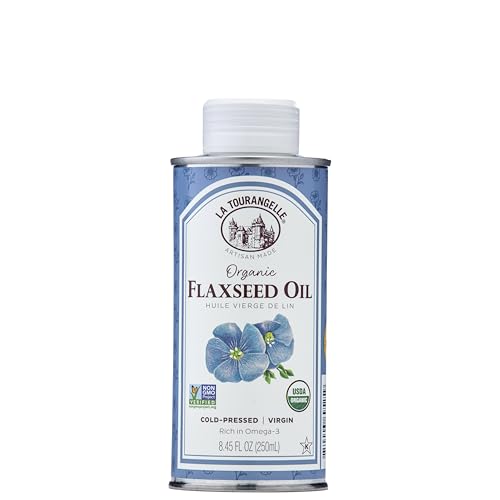
- Flaxseed oil for seasoning: Many seasoning guides use it for thin, hard-drying coats, though it has a lower smoke point than some alternatives. Check price on Amazon
FAQ
Can I use dish soap on cast iron?
Yes. A small amount of mild dish soap is fine for regular cleaning on seasoned cast iron. Rinse quickly, don’t soak the pan, and dry it fully right away.
How do you clean a cast iron skillet without removing the seasoning?
Scrape out food while the pan is warm, rinse with hot water, scrub gently with a brush, dry it on the stove, and wipe on a thin layer of oil. Avoid long soaks, dishwashers, and heavy abrasives for routine cleaning.
How often should I re-oil my cast iron?
Apply a thin coat of oil after every cleaning, since it’s part of the drying step. Use a longer oven seasoning cycle only when the surface looks dull, dry, or patchy.
What should I do if my cast iron skillet is rusty?
Scrub the rust off with fine steel wool, rinse, dry it on the burner, and oil it lightly. If rust has pitted the surface or the seasoning is failing across large areas, you may need to strip and re-season the pan.
Is it safe to cook tomato sauce in cast iron?
Short cooking times in a well-seasoned pan are generally fine. Long simmers in a weakly seasoned pan can strip some of the coating and leave a metallic taste. Build up the seasoning first if you plan to cook acidic food often.