
 By Claire Whitaker
Updated November 2026
A chef knife made in USA appeals to home cooks who want domestic manufacturing, dependable steel and a handle built for long prep sessions. This list compares three well-known American-made options by intended use, blade construction and ease of care. Selection criteria were blade material, handle comfort, weight and how well each model suits everyday cutting, drawn from manufacturer specifications and common owner feedback rather than hands-on testing.
Our top picks at a glance
- 1
 TOP CHOICEBest overallCase XX WR Household Kitchen KnifeView on Amazon
- 2
 Best for traditional cuttingDexter-Russell 8110 Traditional Chinese Chef's KnifeView on Amazon
- 3
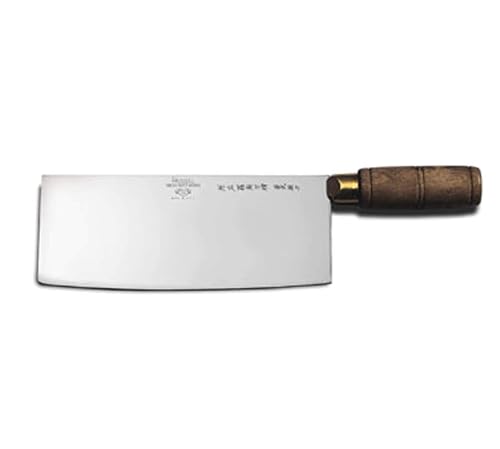 Best for a full-tang buildDexter-Russell 8915 Traditional Chinese Chef's KnifeView on Amazon
Our Top Picks
| Product | Best for | Key feature |
|---|---|---|
| Case XX WR Household Kitchen Knife | General household use | Tru-Sharp stainless blade |
| Dexter-Russell 8110 Chinese Chef’s Knife | Traditional cutting tasks | High-carbon steel, hardwood handle |
| Dexter-Russell 8915 Chinese Chef’s Knife | Durable everyday work | Full tang, walnut handle |
Case XX WR Household Kitchen Knife
Case XX WR Household Kitchen Knife, Tru-Sharp Stainless Steel Blade, Made In USA
Best for: General household use
This knife suits cooks who want a straightforward American-made blade for routine chopping, slicing and dicing without a steep learning curve. Manufacturers specify a stainless steel blade with a Tru-Sharp edge, which owners often describe as easy to keep up with a honing rod.
Pros
- Stainless blade resists rust with routine drying
- Simple, familiar profile for beginners
Cons
- Less heft than heavier forged chef knives
Dexter-Russell 8110 Traditional Chinese Chef’s Knife
Dexter-Russell 8110 Traditional Chinese Chef’s Knife, 8" x 3-1/4", High-Carbon Steel Blade, Hardwood Handle, Individually Ground Edge, Brass Ferrule, Lightweight, Made in USA
Best for: Traditional cutting tasks
This model fits cooks who prefer a thin, lightweight cleaver-style blade for vegetables and herbs. The listing specifies high-carbon steel and a hardwood handle with a brass ferrule, and each blade is individually ground.
Pros
- Lightweight for long vegetable prep
- Individually ground edge per listing
Cons
- High-carbon steel needs prompt drying to prevent discoloration
Dexter-Russell 8915 Traditional Chinese Chef’s Knife
Dexter-Russell 8915 Traditional (08051) 8” x 3-1/4” Chinese Chef’s Knife, High Carbon Steel Blade, Stain-Free, Full Tang, Walnut Handle with Brass Ferrule, Professional Cook’s Knife, Made in USA
Best for: Durable everyday work
This knife suits cooks who want a full-tang build for heavier daily use. The listing describes a walnut handle with a brass ferrule and a stain-resistant high-carbon blade.
Pros
- Full tang adds balance and strength
- Walnut handle offers a secure grip
Cons
- Wood handles need occasional oiling and hand washing
Buying Guide
Blade Material
Stainless steel resists corrosion with less attention, while high-carbon steel often holds a sharper edge but needs prompt drying. Choose based on how much care you are willing to give.
Good picks for this: Case XX WR Household Kitchen Knife, Dexter-Russell 8110 Traditional Chinese Chef’s Knife
Handle Comfort and Balance
Look for a handle that fills your palm without hot spots during long sessions. A full tang generally improves balance and durability.
Good picks for this: Dexter-Russell 8915 Traditional Chinese Chef’s Knife
Weight and Blade Profile
Lighter blades suit precise vegetable work, while heavier profiles handle dense produce more easily. Match the profile to your most common tasks.
Good picks for this: Dexter-Russell 8110 Traditional Chinese Chef’s Knife
Maintenance Needs
Plan on regular honing and periodic sharpening regardless of brand. Wooden handles also need hand washing and occasional oiling.
Good picks for this: Case XX WR Household Kitchen Knife, Dexter-Russell 8915 Traditional Chinese Chef’s Knife
FAQ
Does made in USA mean the steel is better?
Not necessarily. Origin tells you where a knife was manufactured, while steel type, heat treatment and grind determine performance.
Which steel is easier to maintain?
Stainless steel generally resists rust with less effort, while high-carbon steel usually requires quick drying after washing.
How often should a chef knife be sharpened?
Many home cooks hone weekly and sharpen a few times a year, depending on use. Check the edge regularly and adjust to your cutting habits.
Conclusion
The Case XX WR suits general household use, the Dexter-Russell 8110 fits traditional lightweight cutting, and the 8915 works well for durable everyday prep. Match your choice to your blade preference and how much maintenance you want to do.
Sources
- Workplace knife and cutting safety guidance (osha.gov)
- Food-contact materials and kitchen utensil safety (fda.gov)
- Standards and measurement resources for metals and materials (nist.gov)
Related reading
- Zwilling Ja Henckels Chef Knife: A Practical Guide (2026)
- Wüsthof Classic Chef Knife Review: Is It Worth It?
- Wüsthof Classic 8 Inch Chef Knife Review: Is It Worth It?
- What Is Chef Knife Used For? A Practical Guide for Home Cooks
About Claire Whitaker
Claire Whitaker is part of our editorial team and reviews and edits our cookware & knives guides, checking product details against manufacturer specifications and owner feedback.
